Effective tree management is essential for maintaining the health and safety of our landscapes. Trees play a vital role in our environment, providing shade, improving air quality, and enhancing the aesthetic appeal of our surroundings. However, there are times when tree removal becomes necessary due to disease, damage, or safety concerns. Understanding the tree removal process is crucial for homeowners and property managers alike, as it ensures that trees are removed safely and responsibly. The process of removing a tree involves several steps that require careful planning and execution.
From assessing the tree's condition to determining the best method for removal, each stage is critical to minimizing risks and ensuring compliance with local regulations. Moreover, proper tree management practices can help prevent the need for removal in the first place, emphasizing the importance of regular maintenance and monitoring. In this article, we will delve deeper into the intricacies of tree management and the specific steps involved in the tree removal process. By understanding these concepts, you will be better equipped to make informed decisions regarding your trees, whether you are looking to enhance your property’s landscape or ensure safety in your outdoor spaces.
Assessing the Need for Tree Removal
Determining whether a tree should be removed is a critical aspect of tree management. Several factors can indicate that a tree is no longer viable and may pose risks to your property or surrounding environment.When to Remove a Tree
Understanding the right time to remove a tree is essential.Here are some key indicators:
- Severe Damage: If a tree has sustained significant damage from storms, pests, or disease, it may be structurally compromised.
- Dead or Dying Trees: A tree that is dead or shows signs of dying, such as lack of leaves during the growing season, should be evaluated for removal.
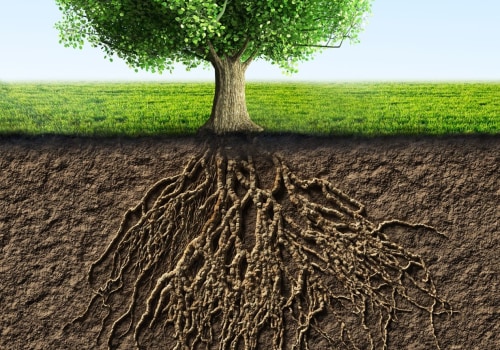
- Root Issues: Trees with extensive root damage or decay can become unstable and may need to be removed to prevent accidents.
Signs of a Dying Tree
Recognizing the signs of a dying tree is crucial for timely intervention. Look for:- Discoloration: Leaves that are yellowing or browning prematurely can indicate stress or disease.
- Fungal Growth: The presence of mushrooms or other fungi at the base of the tree can suggest internal decay.
- Brittle Branches: If branches snap easily or show signs of dieback, this may signal that the tree is unhealthy.
Tree Health Assessment
A thorough tree health assessment is vital in making an informed decision about removal. This process typically involves:- Visual Inspection: Examine the tree for visible signs of disease, damage, or decay.
- Professional Evaluation: Consulting with an arborist can provide expert insights into the tree's condition and potential risks.
- Soil Testing: Assessing soil health can reveal underlying issues affecting the tree's vitality.
Planning for Tree Removal
Before embarking on the tree removal process, careful planning is essential to ensure safety and compliance with local regulations.Here are the key steps to consider:
- Assess the Tree: Evaluate the tree's health, size, and location. Determine if it poses a risk to nearby structures or power lines.
- Obtain Necessary Permits: Many municipalities require permits for tree removal, especially for large or protected trees. Check with your local government or forestry department to understand the specific regulations in your area.
- Consult Professionals: If you're unsure about the removal process, consider hiring a certified arborist or tree removal service. They can provide expert advice and ensure that the job is done safely.
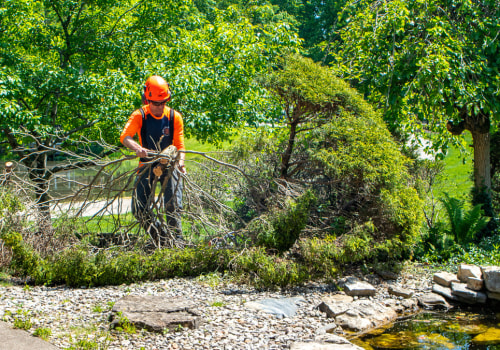
- Wear Protective Gear: Always wear appropriate safety equipment, including helmets, gloves, and eye protection.
- Clear the Area: Remove any obstacles around the tree that could pose a hazard during removal.
This includes furniture, vehicles, and other debris.
- Create an Escape Route: Plan a clear path for retreat in case of unexpected falls or shifts during the cutting process.
The Tree Removal Process: Step-by-Step Guide
Removing a tree can be a complex task that requires careful planning and execution. Here’s a step-by-step guide to help you through the process safely and effectively.- Assess the Tree: Before you begin, evaluate the tree's health and location. Check for signs of disease, structural integrity, and proximity to structures or power lines.
This assessment will help determine the best approach for removal.
- Gather Necessary Tools: Equip yourself with the right tools for the job. Common tools include:
- Chainsaw: Essential for cutting through the trunk and larger branches.
- Hand Saw: Useful for smaller branches or if you need more control.
- Axe: Can be used for chopping down smaller trees or clearing brush.
- Safety Gear: Always wear protective gear such as gloves, goggles, and a hard hat.
- Create a Plan: Decide on the direction in which you want the tree to fall. Clear the area around the tree of any obstacles and ensure there is a safe escape route.
- Make the Cuts: Start by making a notch cut on the side of the tree facing the direction you want it to fall. This cut should be about one-third of the way through the trunk.
Then, make a back cut on the opposite side, slightly above the bottom of the notch cut. This will allow the tree to fall in your desired direction.
- Monitor the Fall: As you make your cuts, watch for any signs that the tree is beginning to fall. Move away quickly along your escape route once it starts to go down.
Always prioritize safety throughout this process, and if you're unsure at any point, consult with a professional in tree management.
Post-Removal Considerations
After successfully removing a tree, it’s essential to consider the next steps to ensure your landscape remains healthy and aesthetically pleasing. Here are some key post-removal considerations:Stump Removal Options
One of the most significant remnants of tree removal is the stump. There are several options for dealing with it:- Grinding: This method involves using a stump grinder to chip away the stump until it is below ground level. It’s efficient and leaves minimal mess.
- Digging Out: For those who prefer a hands-on approach, you can dig out the stump and roots manually.
This method is labor-intensive but allows for complete removal.
- Chemical Removal: Applying chemicals can accelerate the decomposition of the stump. However, this method takes time and may not be suitable for all landscapes.
- Natural Decomposition: If you’re not in a hurry, you can leave the stump to decay naturally, which can take several years.
Landscaping After Tree Removal
Once the stump is dealt with, you can focus on restoring or re-landscaping the area. Here are some ideas:- Fill the Area: Consider filling the hole left by the stump with soil and planting grass or ground cover to blend it into your yard.
- Add New Plants: Use this opportunity to introduce new plants or flowers that complement your existing landscape design.
- Create a Garden Feature: Transform the space into a garden bed or a decorative feature, such as a rock garden or a small pond.
- Install Hardscaping: Consider adding pathways, patios, or other hardscape elements to enhance functionality and aesthetics.
Hiring Professional Tree Removal Services
When it comes to tree management, knowing when to hire professional tree removal services is crucial.While some homeowners may feel confident in their ability to remove a tree, there are several scenarios where enlisting the help of experts is not only safer but also more efficient.Consider hiring professionals if:
- The tree is large or poses a risk to nearby structures.
- The tree is located in a hard-to-reach area, such as near power lines or on a steep slope.
- The tree is diseased or infested with pests, requiring specialized knowledge for safe removal.
- You lack the necessary tools or experience to perform the job safely.
- Check Credentials: Ensure the company is licensed and insured. This protects you from liability in case of accidents during the removal process.
- Read Reviews: Look for customer testimonials and reviews online. A company with a strong reputation will have positive feedback from previous clients.
- Get Multiple Quotes: Contact several companies to compare prices and services.
This will give you a better understanding of the market rate for tree removal services.
- Ask About Experience: Inquire about the company’s experience with similar tree removal projects. A seasoned team will be more adept at handling unexpected challenges.
- Tree Size: Larger trees typically cost more to remove due to the increased labor and equipment required.
- Location: Trees in difficult-to-access areas may incur additional charges due to the complexity of the job.
- Condition of the Tree: If a tree is dead or diseased, it may require special handling, affecting overall costs.
- Add-On Services: Additional services such as stump grinding or debris removal can also impact the final price.
Frequently Asked Questions about Tree Removal
When it comes to tree management, homeowners often have numerous questions regarding the process of tree removal. Here are some of the most frequently asked questions:- What are the signs that a tree needs to be removed? Trees may need to be removed if they are dead, diseased, or pose a safety hazard due to their proximity to structures or power lines. Look for signs such as large cracks in the trunk, extensive decay, or significant leaf loss.
- Is tree removal a complicated process? The complexity of tree removal can vary based on the tree's size, location, and condition.
While small trees can often be removed by homeowners, larger trees typically require professional services to ensure safety and compliance with local regulations.
- What should I expect during the tree removal process? A professional tree removal service will typically assess the tree and its surroundings, plan the removal strategy, and execute the job using specialized equipment. This may include cutting the tree down in sections to minimize risk.
- Are there any permits required for tree removal? Depending on your local laws and regulations, you may need a permit to remove certain trees, especially if they are protected species or located in designated areas. Always check with your local authorities before proceeding.
- What happens to the stump after a tree is removed? After a tree is cut down, you can choose to leave the stump as is, grind it down, or remove it entirely. Stump grinding is a popular option as it allows for replanting in the same area without leaving an unsightly stump.
They can help assess the health of your trees and recommend appropriate management strategies.
Conclusion: Key Takeaways on Tree Management and Removal
In conclusion, understanding the process of tree management and removal is essential for maintaining a healthy landscape and ensuring safety. Here are the key takeaways:- Assessment: Before any tree removal, it is crucial to assess the tree's health, location, and potential risks. This includes checking for diseases, structural integrity, and proximity to structures.
- Planning: A well-thought-out plan is necessary for safe removal. This involves determining the best time for removal, considering weather conditions, and planning the direction of the fall.
- Permits: Always check local regulations regarding tree removal.
Some areas require permits, especially for large or protected trees.
- Professional Help: Hiring a certified arborist or tree removal service can ensure that the job is done safely and efficiently. Professionals have the right equipment and expertise to handle complex removals.
- Post-Removal Care: After a tree is removed, consider the next steps for your landscape. This may include stump grinding, soil restoration, or planting new trees to maintain ecological balance.