Effective tree management is essential for maintaining the health and safety of our landscapes. Trees are not only vital for the environment, providing oxygen and improving air quality, but they also enhance the aesthetic appeal of our surroundings. However, like any living organism, trees require proper care and attention to thrive. Understanding the signs that indicate a tree may need to be removed is a crucial aspect of responsible tree management. Regular tree care involves monitoring the health of trees, assessing their structural integrity, and recognizing potential hazards.
Trees that are diseased, damaged, or infested with pests can pose significant risks to property and personal safety. By being proactive in identifying these issues, homeowners and property managers can prevent accidents and costly damage. Moreover, healthy trees contribute to biodiversity and provide habitats for various wildlife species, making their care even more important. In this article, we will explore the key indicators that suggest a tree may need to be removed. By understanding these signs, you can make informed decisions about your landscape and ensure that your trees remain a safe and beautiful part of your environment.
Signs of a Deteriorating Tree
Recognizing the signs of a deteriorating tree is essential for effective tree management.Trees that are unhealthy can pose significant risks to property and safety. Here are some key indicators to look for:
- Leaf Discoloration: If the leaves of a tree are turning yellow, brown, or falling off prematurely, it may indicate stress or disease.
- Dead Branches: The presence of dead or dying branches, especially if they are widespread, is a clear sign that the tree is struggling.
- Cracks in the Bark: Deep cracks or splits in the bark can expose the tree to pests and diseases, leading to further deterioration.
- Fungal Growth: The appearance of mushrooms or other fungi at the base of the tree or on its trunk can indicate internal decay.
- Lean or Tilt: A tree that has begun to lean significantly may have compromised roots, which can lead to instability and potential failure.
Changes in soil conditions, nearby construction, or alterations in water drainage can also affect tree health. Keeping an eye on these factors will aid in maintaining healthy trees and ensuring safety in your landscape.
Physical Signs of Tree Decline
When assessing the health of a tree, physical signs of decline can provide crucial insights into its condition. Recognizing these symptoms early can help in making informed decisions about tree management and whether removal is necessary.- Bark Damage: The bark of a tree serves as its protective layer. If you notice cracks, peeling, or large areas of missing bark, this could indicate serious health issues.
Insects or diseases often exploit these vulnerabilities, leading to further deterioration.
- Leaf Discoloration: Healthy leaves are typically vibrant and green. If you observe significant yellowing, browning, or premature leaf drop, it may signal that the tree is under stress. Factors such as nutrient deficiencies, root problems, or environmental stressors can contribute to this discoloration.
- Branch Dieback: A tree that is losing branches or showing signs of dieback—where the tips of branches are dead—can be a red flag. This condition often indicates that the tree is struggling to transport nutrients and water effectively, which can lead to further decline.
A leaning trunk or visible decay at the base can also suggest that a tree may need to be removed for safety reasons. Regular monitoring and assessment of these physical symptoms are vital components of effective tree management.
Pests and Diseases Affecting Trees
Understanding the pests and diseases that can affect trees is crucial for effective tree management. Early detection can prevent significant damage and the potential need for removal. Here are some common signs to look out for:- Discoloration of Leaves: Yellowing or browning leaves can indicate stress from pests or diseases.
If leaves are dropping prematurely, it may be a sign of infestation.
- Visible Insects: Look for insects such as aphids, borers, or scale on the bark and leaves. These pests can weaken trees by feeding on sap or creating entry points for diseases.
- Webbing or Sooty Mold: The presence of webbing on branches often indicates spider mites, while sooty mold can develop from honeydew secreted by aphids, signaling an infestation.
- Fungal Growth: Mushrooms or conks growing at the base of a tree may suggest root rot or decay, which can compromise the tree's stability.
- Powdery Mildew: This fungal disease appears as a white powdery substance on leaves and can hinder photosynthesis.
- Canker Diseases: These are localized areas of dead tissue on stems or branches, often caused by fungi or bacteria. They can lead to dieback if not managed promptly.
- Root Rot: Caused by various fungi, root rot leads to wilting and yellowing leaves, often resulting in tree decline.
Environmental Factors Impacting Tree Health
Understanding the environmental factors that affect tree health is crucial for effective tree management.Trees are living organisms that rely heavily on their surroundings, and adverse conditions can lead to significant health issues, sometimes necessitating removal.
Soil Quality
- Nutrient Deficiency: Trees require a balanced mix of nutrients to thrive. Poor soil quality, often characterized by low levels of essential nutrients like nitrogen, phosphorus, and potassium, can stunt growth and weaken trees.
- Soil Compaction: Compacted soil restricts root growth and reduces the availability of water and nutrients. This condition can be caused by heavy foot traffic or machinery, leading to stressed trees that may need to be removed.
- pH Levels: The acidity or alkalinity of the soil can significantly impact tree health. A pH level that is too high or too low can hinder nutrient absorption, resulting in poor tree vitality.
Water Availability
- Drought Conditions: Insufficient water supply can lead to wilting leaves, stunted growth, and increased susceptibility to pests and diseases.
Trees under severe drought stress may become hazardous and require removal.
- Excess Water: Conversely, overly saturated soil can lead to root rot and fungal infections. Trees that are consistently waterlogged may show signs of decline, indicating a potential need for removal.
- Seasonal Changes: Seasonal variations in water availability can also affect tree health. For instance, prolonged dry spells followed by heavy rains can create an unstable environment for trees.
Structural Issues in Trees
When it comes to tree management, recognizing structural issues in trees is crucial for maintaining safety and health in your landscape.Trees that exhibit signs of instability can pose significant risks, not only to property but also to the safety of individuals nearby.
Leaning Trees
A tree that is leaning significantly may indicate underlying problems. While some trees naturally grow at an angle, a sudden lean can suggest that the tree is losing its structural integrity. Factors contributing to a leaning tree include:- Soil Erosion: If the soil around the base of the tree has eroded, it can lead to instability.
- Root Damage: Compacted soil or damage to the root system can prevent the tree from anchoring properly.
- Heavy Canopy: An unbalanced canopy can cause a tree to lean as it grows unevenly.
Root Problems
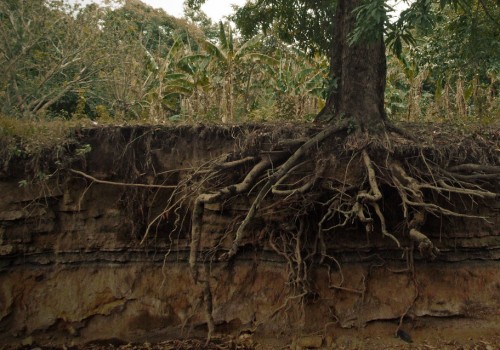
The health of a tree's roots is vital for its overall stability. Issues such as root rot, pest infestations, or physical damage can compromise a tree's ability to stand upright.Signs of root problems include:
- Fungal Growth: The presence of mushrooms or fungi at the base of the tree may indicate decay.
- Cracked Soil: Cracks or fissures in the soil around the base can signal root distress.
- Surface Roots: Exposed roots may suggest that the tree is struggling to maintain its position.
Assessing Risk: When to Call a Professional
When it comes to tree management, knowing when to call a professional can be crucial for both safety and the health of your landscape. Here are some key indicators that suggest it may be time to seek expert advice:- Visible Damage: If you notice significant damage to a tree, such as large cracks in the trunk or broken branches, it’s essential to consult a tree professional.
These issues can compromise the tree's structural integrity.
- Leaning Trees: A tree that is leaning significantly, especially if it wasn’t leaning before, may indicate root damage or instability. This poses a risk of falling, making professional assessment necessary.
- Pest Infestation: Signs of pests, such as holes in the bark or sawdust at the base, can signal serious health issues. A professional can evaluate the extent of the infestation and recommend treatment or removal.
- Fungal Growth: The presence of mushrooms or other fungi at the base of a tree often indicates decay. This is a sign that the tree may be dying and should be evaluated by an expert.
- Dead or Dying Trees: If a tree has lost most of its leaves or has dead branches, it may be beyond saving.
A professional can help determine if removal is necessary.
FAQs About Tree Removal Signs and Management
When it comes to tree management, understanding the signs that a tree may need to be removed is crucial for maintaining a healthy landscape. Here are some frequently asked questions regarding tree removal signs:What are the common signs that indicate a tree is unhealthy?
- Dead or Dying Branches: If you notice that branches are dead, brittle, or have no leaves during the growing season, this could indicate a serious issue.
- Fungal Growth: The presence of mushrooms or other fungi at the base of the tree can suggest decay and root problems.
- Cracks in the Trunk: Large cracks or splits in the trunk can compromise the structural integrity of the tree.
- Leaning Trees: A tree that has suddenly started leaning may be unstable and at risk of falling.
- Pest Infestation: Signs of pests, such as holes in the bark or sawdust around the base, can indicate that a tree is under stress.
How can I determine if a tree should be removed?
If you observe any of the signs mentioned above, it’s essential to assess the overall health of the tree.Consider consulting with a certified arborist who can provide a professional evaluation. They will look for:
- Extent of Damage: If more than 25% of the tree is damaged, removal may be necessary.
- Location: Trees that pose a risk to structures or power lines should be prioritized for removal.
- Species Vulnerability: Some species are more susceptible to diseases and pests, making them higher risks for removal.
What should I do if I need to remove a tree?
If you determine that removal is necessary, follow these steps:- Contact Local Authorities: Check if you need a permit for tree removal in your area.
- Hire Professionals: Always hire certified professionals for safe and effective removal.
- Consider Replacement: Plan for replanting to maintain your landscape’s health and aesthetics.
Conclusion: Making Informed Decisions About Tree Removal
In conclusion, understanding the signs that indicate a tree may need to be removed is crucial for effective tree management. Trees are vital components of our ecosystem, providing shade, beauty, and habitat for wildlife. However, when they become hazardous, it is essential to act promptly to ensure safety and health in your environment.Throughout this article, we have highlighted several key indicators that suggest a tree may require removal:- Severe Damage: Trees with extensive damage from storms or pests may pose a risk of falling.
- Decay and Disease: Signs of rot or disease can compromise a tree's structural integrity.
- Root Issues: Exposed roots or root rot can destabilize a tree, making it unsafe.
- Lean and Tilt: A tree that leans significantly may be at risk of toppling over.
- Dead Branches: Large dead branches can fall unexpectedly, posing a danger to people and property.
Consulting with a certified arborist can provide valuable insights into the health of your trees and the best course of action. Remember, proactive tree management not only enhances the beauty of your landscape but also ensures the safety of your home and community.Ultimately, the decision to remove a tree should not be taken lightly. Weighing the benefits against the risks is essential. By staying vigilant and informed, you can maintain a healthy and safe environment while preserving the natural beauty that trees bring to our lives.