Tree management is a vital practice that encompasses the care, maintenance, and strategic planning of trees within various environments, from urban landscapes to natural forests. It involves understanding the biological needs of trees, assessing their health, and implementing measures to ensure their longevity and vitality. By effectively managing trees, we not only enhance their aesthetic appeal but also contribute to the overall health of our ecosystems. The importance of tree management cannot be overstated. Healthy trees provide numerous benefits, including improved air quality, reduced urban heat, and enhanced biodiversity.
They serve as habitats for wildlife and play a crucial role in carbon sequestration, helping to mitigate climate change. Furthermore, well-managed trees can increase property values and create inviting spaces for communities to gather and enjoy nature. Understanding the basics of tree care is essential for anyone interested in promoting a sustainable environment. This includes regular assessments for pests and diseases, proper pruning techniques, and ensuring adequate water and nutrient supply. By prioritizing tree management, we can foster healthier ecosystems that benefit both people and wildlife alike.
The Environmental Benefits of Tree Management
Effective tree management plays a crucial role in enhancing our environment, offering numerous benefits that extend beyond mere aesthetics.One of the most significant advantages is the improvement of air quality. Trees act as natural air filters, absorbing pollutants such as carbon dioxide, sulfur dioxide, and nitrogen oxides while releasing oxygen through the process of photosynthesis. This not only helps to purify the air we breathe but also contributes to a healthier urban atmosphere.Moreover, trees are vital in combating climate change. They sequester carbon, storing it in their biomass and soil, which helps mitigate the effects of greenhouse gases.
According to studies, a mature tree can absorb approximately 48 pounds of carbon dioxide annually. By implementing effective tree management practices, communities can enhance their tree canopy, thereby increasing carbon storage capacity and contributing to global efforts against climate change.In addition to air quality and climate benefits, trees support biodiversity. Well-managed tree populations provide habitats for various species of birds, insects, and other wildlife. This biodiversity is essential for maintaining ecological balance and resilience.
Healthy tree ecosystems can also promote soil health by preventing erosion and enhancing nutrient cycling.In summary, the environmental benefits of tree management are profound. By improving air quality, combating climate change, and supporting biodiversity, effective tree management not only enhances our immediate surroundings but also contributes to the long-term health of our planet.
Economic Advantages of Proper Tree Management
Effective tree management plays a crucial role in enhancing the economic landscape of both residential and commercial properties. One of the most significant benefits is the increase in property values. Well-maintained trees not only beautify a space but also create a more inviting atmosphere, which can lead to higher property prices.Studies have shown that homes with mature trees can sell for up to 15% more than similar homes without them.In addition to boosting property values, tree management can lead to substantial cost savings in various areas:
- Energy Costs: Strategically placed trees can provide shade during hot months, reducing the need for air conditioning. This can lead to lower energy bills, with some estimates suggesting savings of up to 30% on cooling costs.
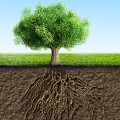
- Stormwater Management: Trees play a vital role in managing stormwater runoff. Their root systems absorb rainwater, reducing the burden on municipal drainage systems and potentially lowering stormwater management costs for local governments and property owners alike.
- Maintenance Costs: Regular tree care, including pruning and disease management, can prevent costly damage from falling branches or uprooted trees during storms. Investing in proper tree management can save property owners from expensive repairs and liability issues.
Communities that prioritize tree care often see increased tourism and business investments, as green spaces attract visitors and enhance local commerce. In essence, the financial implications of maintaining healthy trees are profound, making it an essential aspect of urban planning and property management.
Tree Management Practices and Techniques
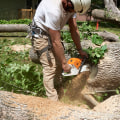
Effective tree management involves a variety of practices that ensure the health and longevity of trees. Among these, tree pruning techniques play a crucial role in maintaining tree structure and promoting healthy growth.Tree Pruning Techniques
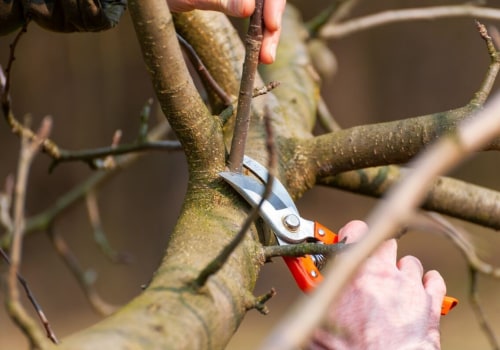
Pruning should be done at the right time and with the right methods to avoid damaging the tree. Here are some common techniques:- Thinning: This involves removing selected branches to increase light penetration and air circulation within the canopy.
- Heading: Cutting back branches to a bud or lateral branch encourages new growth and can help shape the tree.
- Cleaning: Removing dead, diseased, or damaged branches helps prevent the spread of disease and improves overall tree health.
When planting, consider the following:
- Selecting the right species for your climate and soil type.
- Digging a wide, shallow hole to accommodate the root system without crowding.
- Avoiding planting too deep; the root flare should be visible above ground.
Tree Care Methods
Ongoing tree care methods are vital for sustaining tree health. Regular watering, especially during dry spells, is crucial for young trees. Additionally, applying mulch around the base can help retain moisture and suppress weeds. Monitoring for pests and diseases is also important; early detection can prevent serious damage.Implementing integrated pest management (IPM) strategies can effectively control infestations while minimizing harm to beneficial organisms. In summary, adopting proper tree management practices such as effective pruning, careful planting, and diligent care can significantly enhance the vitality and lifespan of trees in any landscape.
Challenges in Tree Management
Tree management is essential for maintaining the health and vitality of urban and rural landscapes. However, it comes with its own set of challenges that can significantly impact the effectiveness of tree care practices.Pest Infestations
Pests are one of the most common challenges in tree management. Insects such as aphids, bark beetles, and caterpillars can cause severe damage to trees by feeding on leaves, bark, and roots. These infestations not only weaken the trees but can also lead to the spread of diseases.Effective pest management strategies, including regular monitoring and the use of integrated pest management (IPM) techniques, are crucial for protecting tree health.
Diseases Affecting Trees
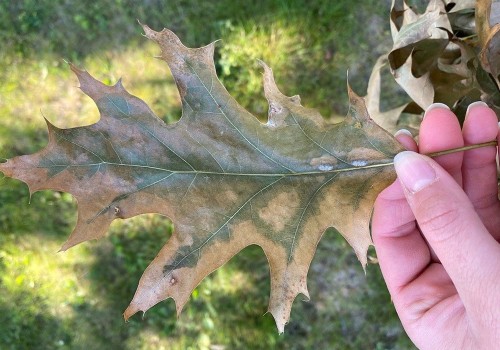
In addition to pests, various diseases can threaten tree populations. Fungal infections like root rot and leaf spot can devastate trees if not identified and treated promptly.Tree management
requires knowledge of these diseases and their symptoms to implement appropriate treatments, such as pruning infected branches or applying fungicides.Climate Change Impact
The effects of climate change pose another significant challenge for tree management. Changes in temperature and precipitation patterns can stress trees, making them more susceptible to pests and diseases.For instance, prolonged drought conditions can weaken trees, while increased rainfall may lead to root rot. Tree managers must adapt their practices to account for these changing environmental conditions, which may include selecting more resilient tree species or adjusting watering schedules.In conclusion, effective tree management involves navigating a complex landscape of challenges including pest infestations, diseases, and the impacts of climate change. By staying informed and proactive, tree care professionals can ensure the longevity and health of our vital green resources.
Community Involvement in Tree Management
Community involvement plays a crucial role in effective tree management, as it fosters a sense of ownership and responsibility among residents. Engaging local citizens in tree care initiatives not only enhances urban forestry but also strengthens community bonds.Community Tree Programs
are essential for promoting awareness about the benefits of trees.
These programs often include educational workshops that teach residents about the importance of trees in improving air quality, providing shade, and enhancing property values. By participating in these programs, community members can learn how to properly care for trees, ensuring their longevity and health.
Volunteer Tree Planting
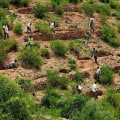
events are another effective way to involve the community in tree management. These events not only beautify neighborhoods but also contribute to local biodiversity. Volunteers can come together to plant native species that are well-suited to the local environment, which helps create a sustainable ecosystem.
Additionally, these gatherings foster camaraderie among participants, making tree planting a fun and rewarding experience.Local tree care initiatives often rely on volunteers to maintain public green spaces. Regular maintenance activities such as pruning, mulching, and watering are vital for the health of urban trees. By organizing volunteer days, communities can ensure that their trees receive the care they need while also encouraging residents to take an active role in their environment.In conclusion, community involvement in tree management is not just beneficial; it is essential for creating vibrant and sustainable urban landscapes. By participating in community tree programs, volunteer planting events, and local care initiatives, residents can make a significant impact on their environment while fostering a sense of community pride.
FAQs About Tree Management
Tree management is a vital aspect of maintaining healthy and sustainable landscapes.Here are some frequently asked questions that can help clarify common misconceptions and provide practical advice on effective tree management.
What are the common questions about tree management?
- What is tree management? Tree management involves the planning, care, and maintenance of trees to ensure their health, safety, and aesthetic value. This includes activities such as pruning, fertilizing, and pest control.
- Why is tree management important? Proper tree management enhances the longevity of trees, promotes biodiversity, and contributes to environmental health by improving air quality and providing habitat for wildlife.
How to manage trees effectively?
Effective tree management requires a combination of knowledge and practical skills. Here are some tips:- Regular Inspections: Conduct regular inspections to identify any signs of disease or damage.
- Pruning: Prune trees at the right time of year to encourage healthy growth. This typically involves removing dead or diseased branches.
- Watering: Ensure trees receive adequate water, especially during dry spells.
Young trees may require more frequent watering.
When to prune trees?
The timing of pruning is crucial for the health of the tree:- Late Winter to Early Spring: This is generally the best time to prune most deciduous trees before new growth begins.
- Summer Pruning: Light pruning can be done in summer to remove unwanted growth or to shape the tree.
Conclusion: The Importance of Sustaining Our Trees Through Effective Management
In conclusion, tree management is not merely a practice; it is a vital component of our environmental stewardship and community health. As we have explored throughout this article, the benefits of effective tree management extend far beyond aesthetic appeal. They encompass ecological balance, economic advantages, and social well-being.By implementing sustainable tree management practices, we can:- Enhance biodiversity: Healthy trees support a variety of wildlife, contributing to a balanced ecosystem.
- Improve air quality: Trees act as natural air filters, absorbing pollutants and releasing oxygen.
- Mitigate climate change: Through carbon sequestration, trees play a crucial role in reducing greenhouse gases.
- Boost property values: Well-maintained trees can increase the value of residential and commercial properties.
- Promote community well-being: Green spaces foster social interaction and improve mental health.
By doing so, we contribute to a healthier planet and a more vibrant community. Let us commit to nurturing our trees with the care they deserve, recognizing that their well-being directly impacts our own.