Tree management is a vital practice that encompasses the planning, care, and maintenance of trees in various environments. This process is not merely about aesthetics; it plays a crucial role in enhancing biodiversity and preserving wildlife habitats. By understanding tree management, we can appreciate its significance in creating sustainable ecosystems that support a wide array of species. At its core, tree management involves assessing the health and growth of trees, implementing strategies for their care, and ensuring that they thrive in their natural surroundings. This includes activities such as pruning, planting, and monitoring tree health.
The importance of effective tree management cannot be overstated, as it directly impacts the quality of habitats available for wildlife. Healthy trees provide food, shelter, and breeding grounds for numerous species, making them indispensable to ecological balance. Moreover, well-managed tree populations contribute to the overall health of the environment by improving air quality, reducing soil erosion, and regulating temperatures. As urban areas expand and natural habitats diminish, the role of tree management becomes even more critical. By prioritizing this practice, we not only enhance our landscapes but also ensure that wildlife has the resources it needs to thrive alongside human development.
The Importance of Trees in Ecosystems
Trees are vital components of ecosystems, serving numerous ecological functions that support both wildlife and human life.Their presence enhances biodiversity by providing habitats for a myriad of species, from birds and mammals to insects and fungi. Each tree can host hundreds of organisms, creating a complex web of life that contributes to the overall health of the ecosystem.One of the most significant ecological benefits of trees is their role in carbon sequestration. Through the process of photosynthesis, trees absorb carbon dioxide from the atmosphere, helping to mitigate climate change. This not only benefits wildlife by maintaining stable climates but also supports the growth of other plant species that rely on a balanced ecosystem.Additionally, trees play a crucial role in maintaining soil health.
Their roots help to anchor soil in place, reducing erosion and promoting water retention. This is particularly important in areas prone to flooding or drought, as healthy soil can better support plant life and provide a stable environment for wildlife. The organic matter from fallen leaves and decomposing wood enriches the soil, fostering a diverse range of microorganisms that are essential for nutrient cycling.Moreover, trees contribute to water quality by filtering pollutants and reducing runoff. Their canopies intercept rainfall, allowing water to percolate slowly into the ground rather than rushing into waterways.
This natural filtration system is vital for maintaining clean water sources that many species depend on for survival.In summary, understanding the importance of trees in ecosystems is essential for effective tree management. By recognizing their roles in biodiversity, carbon storage, soil health, and water quality, we can implement management practices that not only preserve these vital resources but also enhance wildlife habitats for generations to come.
How Tree Management Practices Support Wildlife Habitats
Effective tree management practices play a crucial role in supporting and enhancing wildlife habitats. By implementing specific techniques, land managers can create environments that are not only sustainable but also rich in biodiversity.Pruning
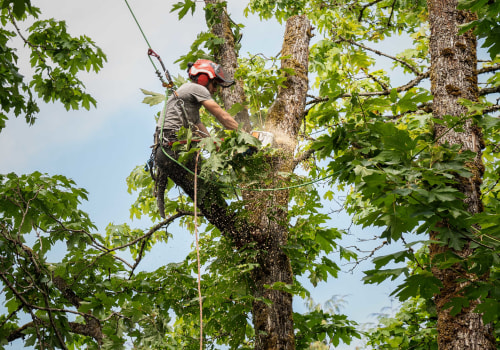
One of the primary tree management practices is pruning, which involves selectively removing branches to improve tree health and structure. This practice can increase sunlight penetration to the forest floor, promoting the growth of understory plants that provide food and shelter for various wildlife species.Additionally, pruning can help maintain the natural shape of trees, ensuring they remain resilient against pests and diseases.
Thinning
Thinning is another essential practice that involves reducing tree density in a given area. By removing some trees, managers can decrease competition for resources such as light, water, and nutrients. This not only benefits the remaining trees but also creates open spaces that allow for the growth of diverse plant species. These areas can serve as critical habitats for birds, small mammals, and insects, fostering a balanced ecosystem.Controlled Burns
Controlled burns, or prescribed fires, are used to manage forest undergrowth and reduce the risk of larger wildfires.This practice mimics natural fire cycles and helps maintain healthy ecosystems by clearing out dead vegetation and promoting new growth. Many wildlife species depend on these newly sprouted plants for food and cover. Furthermore, controlled burns can help maintain open areas within forests that are essential for certain species that thrive in less dense environments.In summary, effective tree management practices such as pruning, thinning, and controlled burns are vital for creating and maintaining suitable habitats for wildlife. By fostering diverse plant life and ensuring healthy tree populations, these practices contribute significantly to the preservation of wildlife habitats.
Case Studies: Successful Tree Management and Wildlife Preservation
Effective tree management has proven to be a cornerstone in the preservation of wildlife habitats across various ecosystems.Here are some notable case studies that exemplify the successful integration of tree management practices with wildlife conservation efforts.
1.The Urban Forest Project in New York City
In New York City, the Urban Forest Project has implemented a comprehensive tree management strategy aimed at enhancing urban biodiversity. By planting native tree species and maintaining existing trees, the project has created vital habitats for various bird species, including the Eastern Bluebird and the American Robin. The initiative also focuses on community engagement, encouraging local residents to participate in tree care and monitoring wildlife populations.2.The Forest Stewardship Program in Oregon
The Forest Stewardship Program in Oregon showcases how tree management can lead to successful wildlife preservation in rural areas. This program promotes sustainable forestry practices that not only enhance timber production but also protect habitats for species such as the Northern Spotted Owl.By implementing selective logging and creating buffer zones around critical habitats, the program has seen a resurgence in owl populations, demonstrating the effectiveness of balanced resource management.
3.The Reforestation Efforts in Costa Rica
Costa Rica's reforestation efforts serve as a global model for tree management and wildlife conservation. Through initiatives like the Payment for Environmental Services program, landowners are incentivized to restore degraded lands with native tree species. This has led to increased biodiversity, with species such as howler monkeys and various bird species returning to areas once stripped of their natural canopy. The success of these efforts highlights the importance of integrating economic incentives with ecological goals. These case studies illustrate that when tree management is executed thoughtfully, it can significantly contribute to wildlife habitat preservation, fostering biodiversity and ensuring the survival of various species in both urban and rural settings.Challenges in Tree Management for Wildlife Habitat Preservation
Tree management plays a crucial role in preserving wildlife habitats, yet it faces numerous challenges that can hinder effective implementation.Understanding these obstacles is essential for developing strategies that support both tree health and biodiversity. One of the primary challenges is urbanization. As cities expand, natural habitats are often replaced with concrete and infrastructure, leading to habitat fragmentation. This not only reduces the available space for wildlife but also isolates populations, making it difficult for species to thrive. Urban areas often lack the necessary green spaces that support diverse ecosystems, which can further complicate tree management efforts.
Climate change
is another significant factor impacting tree management practices.Altered weather patterns can affect tree growth and health, making them more susceptible to diseases and pests. For instance, increased temperatures and irregular rainfall can stress trees, leading to a decline in their ability to provide habitat for various species. Additionally, changing climates may shift the distribution of certain wildlife species, necessitating adaptive management strategies that can be challenging to implement. The presence of invasive species poses yet another obstacle. Non-native plants and animals can outcompete native species for resources, disrupting the balance of local ecosystems.
Invasive trees may alter soil chemistry or water availability, further complicating tree management efforts aimed at preserving wildlife habitats. Effective management must include strategies to control these invasive species while promoting the growth of native flora. In conclusion, addressing the challenges of urbanization, climate change, and invasive species is vital for successful tree management aimed at wildlife habitat preservation. By recognizing these issues, stakeholders can develop more effective practices that not only enhance tree health but also support the diverse wildlife that depends on these habitats.
Community Involvement in Tree Management Initiatives
Community involvement plays a crucial role in the success of tree management initiatives aimed at preserving wildlife habitats. When local residents actively participate in tree care and management, they not only enhance the ecological health of their surroundings but also foster a sense of stewardship and responsibility towards nature.Public Participation in Tree Care
- Engaging community members in tree planting events helps to increase biodiversity by introducing native species that provide food and shelter for local wildlife.
- Educational workshops can empower residents with knowledge about the importance of trees in maintaining healthy ecosystems, encouraging them to take part in ongoing maintenance efforts.
- Volunteer programs for tree pruning and care can create a direct connection between individuals and their environment, leading to a deeper appreciation for local wildlife.
Local Initiatives for Wildlife Habitats
- Many communities have established tree management committees that focus on creating and maintaining green spaces, which serve as vital habitats for various species.
- Collaborative projects with local schools can instill environmental values in younger generations, ensuring that future caretakers are well-informed about the significance of trees in wildlife preservation.
- Partnerships with environmental organizations can amplify efforts, providing resources and expertise that enhance community-led initiatives.
By working together, residents can create thriving habitats that support diverse wildlife populations while enjoying the numerous benefits that healthy trees provide.
Future Trends in Tree Management and Wildlife Conservation
As we look to the future, tree management is poised to play a pivotal role in enhancing wildlife conservation efforts. Emerging trends and innovations are reshaping how we approach the stewardship of forests and urban green spaces, ensuring that these ecosystems continue to thrive alongside diverse wildlife populations.Sustainable tree management practices
are at the forefront of this evolution. Techniques such as selective logging, agroforestry, and reforestation not only promote healthy tree growth but also create habitats that support various species. By prioritizing biodiversity in tree management plans, landowners and conservationists can foster environments where wildlife can flourish.Technological Innovations
Advancements in technology are also transforming tree management strategies.For instance, the use of drones for aerial surveys allows for precise monitoring of forest health and wildlife populations. This data-driven approach enables managers to make informed decisions about tree planting and maintenance, ensuring that habitats remain suitable for native species.Moreover, remote sensing technologies provide insights into forest composition and changes over time, helping to identify areas that require intervention or protection. These tools not only enhance our understanding of ecosystems but also streamline conservation efforts by targeting specific areas that need attention.
Community Engagement
Another trend gaining traction is the emphasis on community involvement in tree management. Engaging local communities in conservation initiatives fosters a sense of ownership and responsibility towards natural resources.Programs that educate residents about the importance of trees for wildlife can lead to grassroots movements that advocate for sustainable practices.In conclusion, the future of tree management is bright, with innovative practices and technologies paving the way for enhanced wildlife conservation. By embracing sustainability and community engagement, we can ensure that our forests continue to serve as vital habitats for generations to come.
FAQs about Tree Management and Wildlife Habitat Preservation
Tree management plays a crucial role in preserving wildlife habitats, and many people have questions about how these practices impact the environment. Below are some frequently asked questions that can help clarify the relationship between tree management and wildlife habitat preservation.What is tree management?
Tree management refers to the practices involved in maintaining and caring for trees to ensure their health, longevity, and ecological benefits. This includes pruning, planting, and removing trees as necessary to promote a balanced ecosystem.How does tree management benefit wildlife?
- Habitat creation: Properly managed trees provide essential habitats for various species, including birds, insects, and mammals.
- Food sources: Trees produce fruits, nuts, and leaves that serve as food for many wildlife species.
- Nesting sites: Healthy trees offer safe nesting sites for birds and other animals.
Can tree management harm wildlife?
If not done responsibly, tree management can negatively impact wildlife.For instance, excessive pruning or removal of trees can destroy habitats. It is essential to follow sustainable practices that consider the needs of local wildlife.
What are some common misconceptions about tree care?
- All trees should be trimmed regularly: While maintenance is important, over-trimming can harm the tree and its associated wildlife.
- Removing dead trees is always beneficial: Dead trees can provide critical habitats for many species; thus, they should be evaluated before removal.