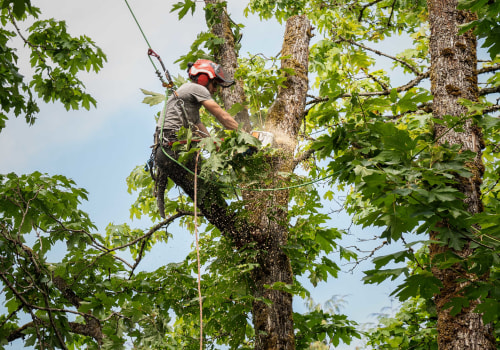
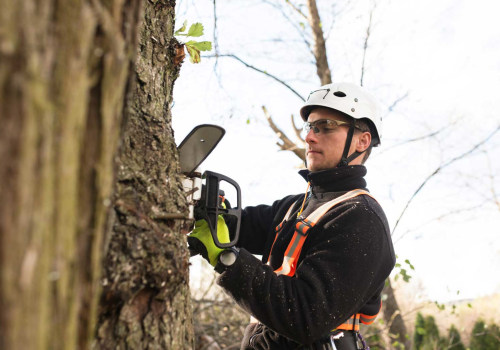
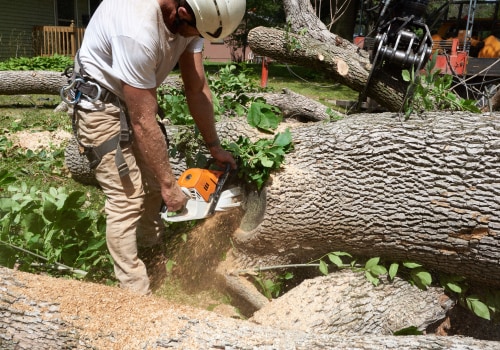
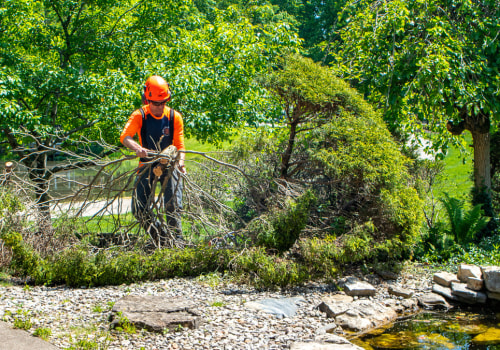
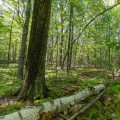
Tree management is a vital practice that encompasses the care, maintenance, and strategic planning of trees within various environments, from urban landscapes to natural forests. It involves understanding the biological and ecological needs of trees, ensuring their health, and promoting their growth while also considering the surrounding ecosystem. By implementing effective tree management techniques, we can enhance biodiversity, improve air quality, and create aesthetically pleasing spaces that benefit both humans and wildlife. The importance of tree management cannot be overstated. Healthy trees play a crucial role in mitigating climate change by absorbing carbon dioxide and releasing oxygen.
They provide habitat for countless species, contribute to soil stability, and help manage water runoff. Furthermore, well-managed trees can increase property values and enhance community well-being by offering shade and recreational opportunities. As urbanization continues to expand, the need for sustainable practices in tree management becomes even more pressing. In recent years, there has been a growing interest in organic methods of tree management. These approaches prioritize natural processes and materials over synthetic chemicals, promoting a healthier environment for both trees and the ecosystems they inhabit.
By understanding the principles of tree management and the benefits of organic practices, we can foster resilient landscapes that thrive for generations to come.
What Are Organic Methods in Tree Management?
Organic methods in tree management refer to practices that prioritize the health of trees and their surrounding ecosystems without the use of synthetic chemicals or harmful pesticides. These methods are grounded in the principles of sustainability, aiming to enhance soil health, promote biodiversity, and ensure the long-term vitality of trees.At the core of organic tree care is the understanding that trees are part of a larger ecological system. This approach emphasizes natural processes and materials to manage tree health effectively. Some key practices include:- Soil Health Improvement: Organic tree management often begins with enhancing soil quality through composting and mulching.
These practices enrich the soil with nutrients, improve moisture retention, and foster beneficial microbial activity.
- Natural Pest Control: Instead of relying on chemical pesticides, organic methods utilize natural predators, such as ladybugs and lacewings, to control pest populations. Additionally, introducing companion planting can deter pests while promoting healthy growth.
- Pruning Techniques: Regular pruning is essential in organic tree care. It helps maintain tree structure, encourages healthy growth, and reduces the risk of disease by improving air circulation within the canopy.
- Water Management: Organic tree management emphasizes efficient water use through techniques like drip irrigation and rainwater harvesting. These methods not only conserve water but also reduce runoff and erosion.
This holistic approach to sustainable tree management not only enhances the aesthetic value of landscapes but also contributes to environmental health.
Environmental Benefits of Organic Tree Management
Implementing organic methods in tree management offers numerous environmental benefits that contribute to the overall health of our ecosystems. One of the primary advantages is the enhancement of soil quality. Organic practices, such as the use of compost and natural fertilizers, improve soil structure and fertility. This leads to better water retention and nutrient availability, which are crucial for tree growth and resilience.Moreover, organic tree management promotes water conservation.By utilizing techniques like mulching and cover cropping, organic methods help reduce evaporation and runoff. This not only conserves water but also minimizes the risk of soil erosion, ensuring that trees have access to the moisture they need to thrive.Another significant aspect of organic tree management is its positive impact on biodiversity. By avoiding synthetic pesticides and herbicides, organic practices create a healthier habitat for various organisms, including beneficial insects, birds, and soil microorganisms. This increased biodiversity contributes to a more balanced ecosystem, where natural predators can help control pest populations without the need for chemical interventions.
- Improved Soil Quality: Enhances fertility and structure.
- Water Conservation: Reduces evaporation and runoff.
- Biodiversity Promotion: Supports beneficial organisms and natural pest control.
By prioritizing eco-friendly practices, we can ensure that our tree care efforts contribute positively to the planet's ecological balance.
Health Benefits for Trees and Surrounding Ecosystems
Utilizing organic methods in tree management not only enhances the health of individual trees but also contributes significantly to the overall vitality of surrounding ecosystems. By focusing on natural practices, tree care professionals can foster a more resilient environment that supports biodiversity.Health Benefits for Trees
- Reduced Chemical Exposure: Organic tree management minimizes the use of synthetic pesticides and fertilizers, which can harm beneficial insects and soil microorganisms. This reduction leads to healthier trees that are less susceptible to diseases.
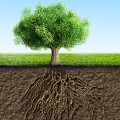
- Enhanced Soil Quality: Organic practices often involve the use of compost and natural amendments that improve soil structure and fertility. Healthy soil promotes robust root systems, allowing trees to access nutrients and water more effectively.
- Natural Pest Control: By encouraging natural predators and using organic pest management techniques, tree managers can reduce pest populations without harming the ecosystem.
This balance helps maintain tree health while protecting beneficial species.
Ecosystem Health
- Biodiversity Support: Organic tree management practices create habitats for various species, from birds to beneficial insects. A diverse ecosystem is more resilient to environmental changes and diseases.
- Water Conservation: Healthy trees contribute to better water retention in the soil, reducing runoff and promoting groundwater recharge. This is crucial for maintaining local water supplies and supporting other plant life.
- Carbon Sequestration: Trees managed through organic methods can sequester more carbon dioxide, helping mitigate climate change effects. Healthier trees grow faster and store more carbon, benefiting the entire planet.
By prioritizing natural practices, we can ensure that both our trees and the environments they inhabit flourish together.
Economic Advantages of Using Organic Methods
When considering tree management, the economic advantages of using organic methods are significant and multifaceted. One of the primary benefits is the potential for long-term savings. While organic tree care may require a higher initial investment in terms of materials and labor, the long-term financial benefits often outweigh these costs.Organic methods tend to promote healthier trees, which are less susceptible to diseases and pests. This resilience can lead to reduced spending on chemical treatments and interventions over time.By investing in organic practices, property owners can minimize their reliance on synthetic pesticides and fertilizers, which not only saves money but also contributes to a healthier ecosystem.
- Cost-Effective Tree Care: Organic tree management often involves natural solutions that are less expensive than their chemical counterparts. For example, using compost or mulch can improve soil health and tree vitality without the recurring costs associated with chemical fertilizers.
- Increased Property Value: Properties with well-maintained, healthy trees can see an increase in value. Buyers are often willing to pay a premium for homes that feature lush, vibrant landscapes managed through sustainable practices.
- Reduced Liability Costs: Healthier trees are less likely to suffer from structural issues or disease, which can lead to costly removals or repairs. By maintaining trees organically, property owners can mitigate these risks and associated expenses.
A well-maintained landscape not only attracts potential buyers but also increases the enjoyment of current residents. This dual benefit underscores the importance of viewing tree management as an investment rather than an expense.In conclusion, while the upfront costs of organic tree management may be higher, the long-term economic benefits—including cost-effective care, increased property value, and reduced liability—make it a wise choice for homeowners and land managers alike.
Challenges and Considerations in Organic Tree Management
While organic methods in tree management offer numerous benefits, they also come with their own set of challenges and limitations that practitioners must consider.Challenges of Organic Tree Management
One of the primary challenges is the time commitment required for organic practices. Unlike conventional methods that may provide quick results through synthetic chemicals, organic approaches often necessitate a longer timeline for achieving desired outcomes. This can be particularly frustrating for those seeking immediate solutions to pest infestations or disease outbreaks. Additionally, organic tree management can be resource-intensive.It often requires more labor and careful planning to implement practices such as crop rotation, companion planting, and the use of organic fertilizers. This can lead to increased costs and may not be feasible for all tree care operations.
Limitations of Organic Methods
Another limitation is the effectiveness of organic treatments compared to their synthetic counterparts. For instance, while organic pesticides can be effective, they may not work as quickly or thoroughly as chemical alternatives. This can lead to ongoing issues if not monitored closely. Moreover, the availability of organic products can sometimes be a barrier.Not all regions have easy access to high-quality organic inputs, which can limit the ability to implement a fully organic management plan.
Considerations for Tree Care
When considering organic tree management, it is essential to evaluate the specific needs of the trees in question and the local environmental conditions. Factors such as soil health, climate, and existing pest populations should inform the choice of methods used. Additionally, ongoing education about organic practices is crucial for success; staying informed about new techniques and products can help mitigate some of the challenges faced. In conclusion, while organic methods in tree management present a sustainable alternative to conventional practices, understanding their challenges and limitations is vital for effective implementation. By weighing these factors carefully, tree care professionals can make informed decisions that align with both ecological principles and practical realities.Case Studies: Successful Organic Tree Management Practices
Organic tree management has gained traction in recent years, with numerous case studies showcasing its effectiveness.These real-world examples not only highlight the benefits of organic methods but also serve as inspiration for those looking to adopt similar practices.
Case Study 1: Urban Tree Canopy Restoration
In a city known for its dense urban environment, a community initiative aimed at restoring the urban tree canopy utilized organic methods to enhance tree health. By employing compost tea and organic mulch, the initiative successfully improved soil quality and increased moisture retention. As a result, trees that were previously struggling began to thrive, leading to a 30% increase in canopy cover over five years.Case Study 2: Organic Pest Management in Orchards
A family-owned orchard in California transitioned to organic practices to combat pest issues without resorting to synthetic pesticides. By implementing integrated pest management (IPM) techniques, including the use of beneficial insects and organic repellents, the orchard not only reduced pest populations but also saw an increase in fruit yield by 25%.This approach not only preserved the ecosystem but also enhanced the quality of their produce.
Case Study 3: Community Tree Care Program
A community tree care program in the Midwest adopted organic methods to maintain public trees. By focusing on soil health through regular applications of organic fertilizers and promoting biodiversity with native plantings, the program reported a significant reduction in tree mortality rates. Over a span of three years, they documented a 40% decrease in tree diseases, demonstrating the long-term benefits of organic management.These case studies exemplify how successful organic tree management practices can lead to healthier trees and more sustainable ecosystems. By learning from these examples, individuals and communities can implement best practices that not only enhance tree care but also contribute positively to their environment.FAQs About Organic Tree Management
Organic tree management is becoming increasingly popular among homeowners and arborists alike.Here are some frequently asked questions that can help clarify the benefits and practices associated with this eco-friendly approach.
- What is organic tree management?
Organic tree management refers to the use of natural methods and materials to care for trees, focusing on promoting health and sustainability without synthetic chemicals. - What are the benefits of using organic methods in tree care?
Organic methods enhance soil health, improve biodiversity, and reduce the risk of chemical runoff into local waterways. Additionally, they promote stronger trees that are more resilient to pests and diseases. - How do organic fertilizers differ from synthetic ones?
Organic fertilizers are derived from natural sources such as compost, manure, or bone meal. They release nutrients slowly, improving soil structure and microbial activity, whereas synthetic fertilizers can lead to nutrient leaching and soil degradation. - Can organic methods effectively control pests?
Yes, organic pest control methods include introducing beneficial insects, using natural repellents, and employing cultural practices that deter pests without harming the ecosystem. - Is organic tree management more expensive?
While initial costs may be higher due to the need for organic materials and practices, long-term benefits such as reduced chemical use and improved tree health can lead to cost savings over time.
Conclusion: The Future of Tree Management with Organic Practices
In conclusion, the shift towards organic methods in tree management represents a significant step forward in promoting environmental sustainability and enhancing the health of our ecosystems.Throughout this article, we have explored various benefits that organic practices offer, including improved soil health, increased biodiversity, and reduced chemical exposure for both humans and wildlife.By prioritizing organic techniques, tree managers can foster a more resilient landscape. For instance, the use of natural fertilizers and pest control methods not only minimizes harmful runoff but also encourages beneficial organisms that contribute to a balanced ecosystem. This holistic approach not only supports the trees themselves but also the surrounding flora and fauna.Moreover, adopting organic practices can lead to long-term cost savings. While initial investments in organic materials may be higher, the reduction in chemical inputs and the enhancement of soil fertility can result in lower maintenance costs over time.
Additionally, healthier trees are less susceptible to disease and pests, further decreasing the need for costly interventions.As we look to the future of tree management, it is clear that embracing organic methods is not just a trend but a necessity. The growing awareness of environmental issues and the demand for sustainable practices among consumers will continue to drive this shift. By integrating organic principles into tree management strategies, we can ensure that our urban and rural forests thrive for generations to come.In summary, the benefits of using organic methods in tree management are profound and far-reaching. From enhancing ecological balance to promoting economic efficiency, these practices pave the way for a healthier planet.
It is imperative that tree managers, policymakers, and communities work together to champion these sustainable approaches for a greener future.