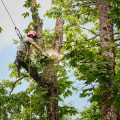
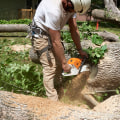
Tree management is a critical component of sustainable land management, encompassing a range of practices aimed at maintaining and enhancing the health, productivity, and ecological value of trees within a given landscape. At its core, tree management involves the careful planning and implementation of strategies that promote the growth and longevity of trees while balancing the needs of the environment and human activities. This multifaceted approach not only focuses on individual trees but also considers their role within broader ecosystems. The importance of tree management cannot be overstated. Trees play a vital role in mitigating climate change by sequestering carbon dioxide, improving air quality, and providing habitat for diverse wildlife.
Furthermore, well-managed trees contribute to soil conservation, water retention, and biodiversity, making them indispensable in the fight against land degradation. By integrating tree management practices into land use planning, communities can foster healthier environments that support both ecological integrity and human well-being. As we delve deeper into the relationship between tree management and sustainable land management, it becomes evident that effective tree stewardship is not merely an environmental concern but a necessity for achieving long-term sustainability goals. Understanding the principles of tree management equips landowners, policymakers, and environmentalists with the tools needed to create resilient landscapes that thrive for generations to come.
The Principles of Sustainable Land Management
Sustainable land management (SLM) is a holistic approach that seeks to balance the needs of the environment, society, and economy. At its core, SLM aims to maintain and enhance the quality of land resources while ensuring their availability for future generations.The principles of sustainable land management are essential for fostering resilience in ecosystems and communities alike.
- Conservation of Resources: One of the fundamental principles of SLM is the conservation of natural resources. This involves protecting soil, water, and biodiversity, which are critical for sustaining agricultural productivity and ecosystem health.
- Integration of Land Use: Effective SLM requires an integrated approach to land use planning. This means considering various land uses—such as agriculture, forestry, and urban development—together to minimize conflicts and maximize synergies.
- Community Involvement: Engaging local communities in land management decisions is vital. Their traditional knowledge and practices can contribute significantly to sustainable outcomes, ensuring that management strategies are culturally appropriate and widely accepted.
- Adaptive Management: SLM emphasizes the need for adaptive management practices that can respond to changing environmental conditions and societal needs.
This flexibility allows for continuous improvement in land management strategies.
- Economic Viability: For land management practices to be sustainable, they must also be economically viable. This includes promoting practices that enhance productivity while ensuring fair economic returns for land users.
Ultimately, effective tree management not only supports the health of our ecosystems but also contributes to the overall goals of sustainable land management.
The Interconnection Between Tree Management and Sustainability
Effective tree management is a cornerstone of sustainable land management, playing a pivotal role in enhancing environmental health and resilience. By implementing strategic practices, we can harness the numerous benefits that trees provide to our ecosystems.Carbon Sequestration
is one of the most significant contributions of trees to sustainability. Trees absorb carbon dioxide from the atmosphere, storing carbon in their biomass and releasing oxygen. This natural process helps mitigate climate change by reducing greenhouse gas concentrations.Properly managed forests can sequester substantial amounts of carbon, making tree management essential in combating global warming. Another critical aspect of tree management is its impact on biodiversity. Healthy tree populations create habitats for various species, promoting a rich diversity of flora and fauna. By maintaining diverse tree species and age structures, we can support wildlife and enhance ecosystem stability. This biodiversity is crucial for ecosystem services such as pollination, pest control, and nutrient cycling.
Soil conservation
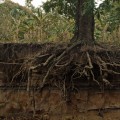
is also significantly influenced by effective tree management.Trees help prevent soil erosion by stabilizing the soil with their root systems. They improve soil quality through leaf litter decomposition, which enriches the soil with organic matter. Additionally, trees play a vital role in maintaining the water cycle by facilitating groundwater recharge and reducing surface runoff. In summary, the interconnection between tree management and sustainability is profound. By prioritizing effective tree management practices, we can enhance carbon sequestration, promote biodiversity, and conserve soil health, all of which are essential for a sustainable future.
Tree Management Practices for Sustainable Land Use
Effective tree management practices are essential for promoting sustainable land use and ensuring the health of our ecosystems.By implementing strategies such as selective logging, reforestation, and agroforestry, land managers can enhance biodiversity, improve soil health, and contribute to carbon sequestration.
Selective Logging
Selective logging involves the careful removal of specific trees while preserving the overall forest structure. This practice minimizes environmental impact by:- Reducing soil erosion: By maintaining tree cover, selective logging helps protect the soil from erosion caused by wind and water.
- Enhancing biodiversity: It allows for the growth of various species, creating a more resilient ecosystem.
- Promoting regeneration: The remaining trees can thrive without competition for resources, leading to a healthier forest.
Reforestation
Reforestation is the process of planting trees in areas where forests have been depleted. This practice is vital for:- Restoring habitats: It provides shelter and food for wildlife, helping to restore ecological balance.
- Mitigating climate change: Newly planted trees absorb carbon dioxide, contributing to climate change mitigation efforts.
- Improving air quality: Trees filter pollutants from the air, enhancing overall environmental health.
Agroforestry Techniques
Agroforestry combines agriculture and forestry practices to create more sustainable land-use systems. Key benefits include:- Diverse income sources: Farmers can grow crops alongside trees, providing multiple revenue streams.
- Soil improvement: Tree roots enhance soil structure and fertility, reducing the need for chemical fertilizers.
- Pest management: The presence of trees can attract beneficial insects that help control pest populations.
By prioritizing these methods, land managers can play a crucial role in promoting ecological balance and sustainability.
Case Studies: Successful Tree Management in Sustainable Land Management
Effective tree management has proven to be a cornerstone of sustainable land management in various regions around the globe. Here are some notable case studies that illustrate the positive impact of strategic tree management practices.1.The Urban Forests of Melbourne, Australia
Melbourne has implemented a comprehensive urban forest strategy aimed at increasing tree canopy cover to combat urban heat and improve air quality. Through careful planning and community engagement, the city has successfully increased its tree population by over 20% in the last decade. This initiative not only enhances biodiversity but also provides significant social and economic benefits, such as increased property values and improved mental health for residents.2.Agroforestry in Kenya
In Kenya, farmers have adopted agroforestry practices that integrate trees into their agricultural systems.By planting trees alongside crops, farmers have seen improvements in soil fertility and crop yields. For instance, the use of Faidherbia albida, a nitrogen-fixing tree, has allowed farmers to reduce chemical fertilizer use while enhancing food security. This approach exemplifies how tree management can lead to sustainable agricultural practices that benefit both the environment and local communities.
3.Reforestation Efforts in Costa Rica
Costa Rica is renowned for its successful reforestation programs that have restored over 1 million hectares of forest since the 1990s. The government incentivizes landowners to manage their forests sustainably through payment for ecosystem services (PES).This initiative has not only increased forest cover but also improved biodiversity and carbon sequestration, showcasing how effective tree management can contribute to national sustainability goals.These case studies highlight that successful tree management is not just about planting trees; it involves strategic planning, community involvement, and integration with local ecosystems. By learning from these examples, other regions can adopt similar practices to enhance their own sustainable land management efforts.
Challenges in Tree Management for Sustainability
Implementing effective tree management strategies within the framework of sustainable land management presents several challenges that must be addressed to ensure long-term ecological health and productivity. Understanding these obstacles is essential for developing viable solutions. One of the primary challenges in tree management is the conflict between economic interests and environmental sustainability. Landowners and businesses often prioritize short-term profits from timber harvesting or land development over the long-term benefits of maintaining healthy forests.This can lead to practices that degrade soil quality, reduce biodiversity, and compromise ecosystem services. Another significant issue is the lack of comprehensive data on forest health and biodiversity. Many regions suffer from inadequate monitoring systems, making it difficult to assess the impacts of forestry practices and implement effective management strategies. Without reliable data, decision-makers may struggle to balance conservation efforts with economic needs. Additionally, climate change poses a formidable challenge to tree management. Shifts in temperature and precipitation patterns can affect tree growth, species distribution, and forest resilience.
Managers must adapt their strategies to account for these changes, which often requires new knowledge and techniques that may not be readily available. Furthermore, social factors such as land tenure issues and community engagement play a crucial role in the success of sustainable land management. In many cases, local communities are not adequately involved in decision-making processes regarding forest management, leading to resistance against policies that do not align with their needs or values. In summary, addressing the challenges in tree management is vital for promoting sustainable land management practices. By recognizing the economic, data-related, climatic, and social obstacles, stakeholders can work towards more effective solutions that benefit both the environment and local communities.
Future Trends in Tree Management and Sustainable Land Management
As we look towards the future, tree management is poised to play a pivotal role in enhancing sustainable land management practices. Innovations in technology and methodologies are emerging, promising to revolutionize how we approach forestry and land stewardship.Technological Advancements
One of the most significant trends in tree management is the integration of technology.Tools such as Geographic Information Systems (GIS) and remote sensing are enabling land managers to monitor forest health and growth patterns with unprecedented accuracy. These technologies allow for:
- Data-Driven Decision Making: By analyzing data collected from various sources, land managers can make informed decisions that enhance sustainability.
- Precision Forestry: This approach utilizes technology to optimize tree planting, thinning, and harvesting processes, reducing waste and improving resource efficiency.
- Real-Time Monitoring: Drones and satellite imagery provide real-time insights into forest conditions, helping to identify issues such as pest infestations or disease outbreaks early on.
Innovative Methodologies
In addition to technological advancements, new methodologies are emerging that emphasize ecological balance and biodiversity. Some notable trends include:- Agroforestry: This practice integrates trees into agricultural landscapes, promoting biodiversity while enhancing crop yields and soil health.
- Sustainable Harvesting Techniques: Methods such as selective logging and reduced-impact logging minimize environmental disruption while allowing for economic benefits.
- Community-Based Management: Engaging local communities in tree management fosters stewardship and ensures that practices align with local ecological knowledge.
FAQs About Tree Management and Sustainability
Tree management is a crucial aspect of sustainable land management, and many people have questions about its practices and benefits.Here are some frequently asked questions that can help clarify the role of tree management in promoting sustainability.
- What is tree management?
Tree management involves the planning and care of trees to ensure their health, longevity, and contribution to the ecosystem. This includes activities such as pruning, planting, and pest control. - How does tree management contribute to sustainability?
Effective tree management enhances biodiversity, improves air quality, and helps in carbon sequestration. By maintaining healthy trees, we can support wildlife habitats and promote ecological balance. - What are the common practices in tree management?
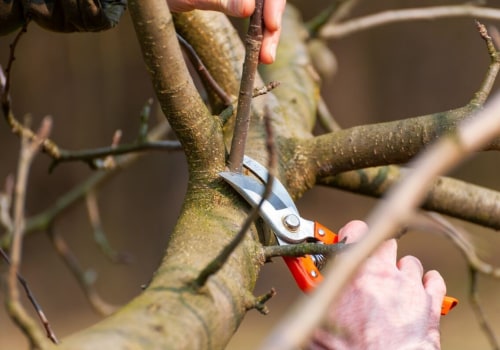
Common practices include: - Pruning: Removing dead or diseased branches to promote healthy growth.
- Planting: Introducing native species that are well-suited to the local environment.
- Pest Management: Implementing integrated pest management strategies to minimize chemical use.
- Can tree management help combat climate change?
Yes, by increasing tree cover and maintaining healthy forests, tree management plays a significant role in mitigating climate change through carbon storage. - What are the benefits of community involvement in tree management?
Community involvement fosters a sense of ownership and responsibility towards local green spaces. It also enhances educational opportunities about sustainability and environmental stewardship.
Conclusion: The Vital Role of Tree Management in Achieving Sustainability Goals
In conclusion, tree management is a cornerstone of sustainable land management, intertwining ecological health with economic viability.Throughout this article, we have explored how effective tree management practices not only enhance biodiversity but also contribute to soil conservation, water quality improvement, and climate change mitigation.By implementing strategies such as selective logging, reforestation, and agroforestry, land managers can create resilient ecosystems that support both wildlife and human communities. These practices ensure that forests continue to provide essential resources while maintaining their ecological functions.
- Biodiversity Enhancement: Healthy tree populations support a wide range of species, promoting a balanced ecosystem.
- Soil Conservation: Tree roots stabilize soil, preventing erosion and maintaining nutrient cycles.
- Water Management: Trees play a critical role in the water cycle, helping to regulate water flow and improve quality.
- Carbon Sequestration: Forests act as carbon sinks, absorbing CO2 and mitigating climate change impacts.
By doing so, we can collectively work towards a future where our landscapes are not only productive but also resilient and sustainable for generations to come.