Tree management is a critical aspect of maintaining the health and vitality of our urban and rural landscapes. It encompasses a variety of practices aimed at ensuring that trees not only thrive but also coexist safely with human activities. From pruning and fertilization to pest control and disease management, tree management plays a vital role in enhancing the aesthetic appeal of our surroundings while contributing to environmental sustainability. Understanding the importance of tree management goes beyond mere aesthetics; it directly impacts safety. Healthy trees can withstand storms and resist pests, reducing the risk of falling branches or uprooted trees that can cause injury or property damage.
Moreover, proper tree care can prevent hazards associated with overgrown branches that may interfere with power lines or obstruct visibility on roadways. Therefore, implementing effective tree management strategies is essential for both ecological balance and public safety. As we delve deeper into the various aspects of tree management, it becomes evident that safety should always be a top priority. Whether you are a professional arborist or a homeowner tending to your yard, understanding the risks involved in tree care tasks is crucial. By adopting appropriate safety precautions, you can ensure that your tree management efforts are not only effective but also safe for you and those around you.
Personal Protective Equipment (PPE) for Tree Management
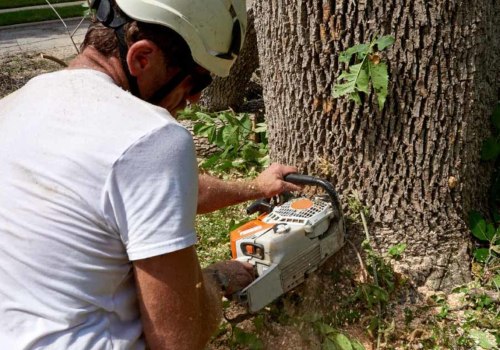
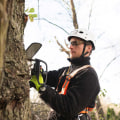
When engaging in tree management tasks, the importance of wearing appropriate personal protective equipment (PPE) cannot be overstated.This gear is designed to safeguard arborists and tree workers from potential hazards associated with their work environment. Below are essential items of PPE that should be considered:
- Hard Hats: Protects the head from falling branches and debris. A hard hat should meet safety standards and fit securely.
- Safety Glasses: Shields the eyes from flying particles, sawdust, and other debris. Opt for glasses with side shields for added protection.
- Hearing Protection: Earplugs or earmuffs are crucial when using loud equipment like chainsaws or chippers, helping to prevent hearing loss.
- Gloves: Durable gloves provide grip and protect hands from cuts, abrasions, and blisters.
Look for gloves specifically designed for tree work.
- Chainsaw Chaps: These protective pants are made from materials that can stop a chainsaw chain on contact, significantly reducing the risk of severe leg injuries.
- Steel-Toed Boots: Footwear with steel toes protects against heavy falling objects and provides good traction on uneven terrain.
- High-Visibility Clothing: Brightly colored clothing ensures that workers are easily seen, especially in areas with vehicular traffic.
Assessing the Worksite: Key Safety Considerations
Before embarking on any tree management tasks, a thorough assessment of the worksite is crucial to ensure safety and efficiency. This process involves identifying potential hazards and planning accordingly to mitigate risks.Identifying Hazards- Tree Condition: Inspect the trees for signs of disease, decay, or instability. Look for dead branches that may fall during work.
- Surrounding Environment: Evaluate the area around the tree.
Are there power lines, buildings, or other structures nearby that could pose a risk?
- Ground Conditions: Assess the ground for stability. Uneven terrain, wet soil, or debris can increase the risk of slips and falls.
- Weather Conditions: Check the weather forecast. Windy or rainy conditions can make tree work more dangerous.
- Establish a Safety Zone: Create a perimeter around the worksite to keep bystanders at a safe distance.
- Use Proper Equipment: Ensure all tools and equipment are in good working condition and appropriate for the task at hand.
- Communicate Clearly: Make sure all team members understand their roles and the safety protocols in place.
Safe Use of Tools and Equipment in Tree Management
When engaging in tree management, the safe use of tools and equipment is paramount to prevent accidents and ensure effective work.Here are some essential safety precautions to consider:
- Regular Maintenance: Always inspect your tools before use. Check for any signs of wear or damage, particularly on cutting edges and safety features. Keeping tools well-maintained not only prolongs their lifespan but also enhances safety.
- Proper Training: Ensure that all personnel are adequately trained in the use of specific tools, especially power equipment like chainsaws. Understanding the operational procedures and safety protocols can significantly reduce the risk of injury.
- Personal Protective Equipment (PPE): Always wear appropriate PPE, including hard hats, gloves, eye protection, and hearing protection.
For chainsaw operations, consider using cut-resistant pants and boots to protect against accidental cuts.
Using Chainsaws Safely
The chainsaw is one of the most commonly used tools in tree management, but it can also be one of the most dangerous if not handled correctly. Here are some tips for safe chainsaw operation:- Two-Handed Grip: Always use both hands to operate the chainsaw. This provides better control and reduces the risk of losing grip during operation.
- Maintain a Safe Distance: Keep bystanders at least 10 feet away from your work area to prevent accidents from falling branches or debris.
- Know Your Escape Route: Before making a cut, plan your escape route in case the tree falls unexpectedly. This ensures you can move to safety quickly.
Equipment Safety in Arboriculture
In addition to chainsaws, various other equipment is used in tree management.Here are some general safety tips for using this equipment:
- Use Equipment as Intended: Always follow the manufacturer's instructions for each tool or piece of equipment. Misuse can lead to accidents and injuries.
- Check for Stability: When using ladders or lifts, ensure they are stable and positioned on level ground. This minimizes the risk of falls.
- Avoid Working Alone: Whenever possible, work with a partner. Having someone nearby can be crucial in case of an emergency.
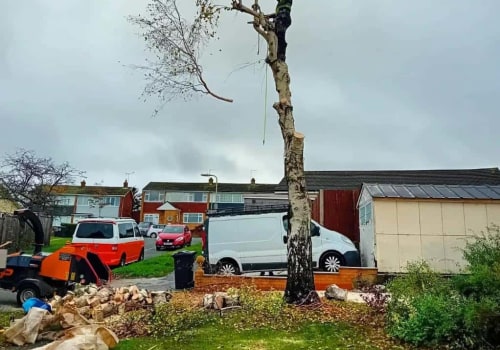
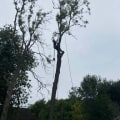
Techniques for Safe Climbing and Working at Heights
When it comes to tree management, ensuring safety while climbing and working at heights is paramount.Arborists and tree care professionals must adopt specific techniques to minimize the risk of falls and injuries. Here are some essential practices to consider:
- Use Proper Climbing Gear: Always wear a helmet, harness, and appropriate footwear. Climbing ropes should be of high quality and regularly inspected for wear and tear.
- Inspect Equipment: Before starting any job, check all climbing equipment, including ropes, carabiners, and pulleys. Ensure that everything is in good working condition to prevent accidents.
- Establish a Safe Work Zone: Set up a designated area around the tree where no one should enter while you are working.
This helps prevent injuries from falling branches or tools.
- Foot Lock Technique: This technique allows climbers to ascend the rope using their feet to grip the rope securely while maintaining balance.
- SRT (Single Rope Technique): SRT is an efficient method for climbing that involves using a single rope with mechanical devices that allow for easy ascent and descent.
- DdRT (Double Rope Technique): This technique uses two ropes, providing additional security and stability while climbing.
Emergency Preparedness and First Aid in Tree Management
When engaging in tree management tasks, being prepared for emergencies is crucial.The nature of this work often involves risks such as falls, equipment malfunctions, and exposure to hazardous conditions. Therefore, having a solid emergency preparedness plan can make a significant difference in ensuring safety.
Emergency Preparedness for Tree Work
- Assess the Worksite: Before starting any tree management task, conduct a thorough assessment of the worksite. Identify potential hazards such as power lines, unstable ground, or nearby traffic.
- Establish a Communication Plan: Ensure that all team members are aware of how to communicate in case of an emergency. This includes having a designated person responsible for calling emergency services.
- Keep Emergency Contacts Handy: Maintain a list of emergency contacts, including local hospitals and poison control centers, easily accessible at the worksite.
First Aid for Arborists
In the event of an injury, knowing basic first aid can be invaluable.
Here are some common injuries in tree management and how to respond:
- Cuts and Lacerations: Clean the wound with soap and water, apply an antiseptic, and cover it with a sterile bandage. If bleeding is severe, apply pressure and elevate the injury.
- Sprains and Strains: Use the R.I.C.E method—Rest, Ice, Compression, Elevation—to manage pain and swelling. Seek medical attention if symptoms persist.
- Falls: If someone falls from a height, do not move them unless they are in immediate danger. Call for emergency help and monitor their condition until assistance arrives.
Responding to Accidents in Tree Management
In case of an accident, remain calm and assess the situation.
Ensure that the area is safe before providing assistance. If necessary, delegate tasks among team members to manage the situation effectively while waiting for professional help.By prioritizing emergency preparedness and understanding basic first aid principles, those involved in tree management can significantly reduce the risks associated with their work and ensure a safer environment for everyone involved.
Environmental Considerations in Tree Management Safety
When engaging in tree management tasks, it is crucial to consider the environmental impact of your actions. This not only ensures personal safety but also promotes ecological responsibility. Here are some key environmental considerations to keep in mind:- Assess Wildlife Habitats: Before starting any tree work, evaluate the area for potential wildlife habitats.
Birds, mammals, and insects may be nesting or residing in the trees you plan to manage. Taking the time to identify these habitats can prevent unintended harm to local wildlife.
- Timing is Key: Schedule tree management activities during seasons that minimize disruption to wildlife. For example, avoid tree trimming or removal during nesting seasons for birds, typically in spring and early summer.
- Use Eco-Friendly Practices: Opt for environmentally friendly methods and products when managing trees. This includes using organic fertilizers and pest control methods that do not harm surrounding flora and fauna.
- Minimize Soil Disturbance: Heavy machinery can compact soil and damage root systems.
Whenever possible, use hand tools or lighter equipment to reduce soil disturbance and protect the ecosystem.
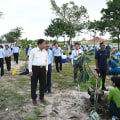
- Replanting and Restoration: After tree removal or significant pruning, consider replanting native species that support local wildlife. This practice not only restores the ecosystem but also enhances biodiversity.
Frequently Asked Questions About Tree Management Safety
When it comes to tree management, safety is paramount. Here are some frequently asked questions that address common concerns regarding safety precautions in tree work.What are the essential safety gear items for tree management?
- Hard hats: Protects against falling branches and debris.
- Safety goggles: Shields eyes from dust and flying particles.
- Gloves: Provides grip and protects hands from cuts and abrasions.
- Steel-toed boots: Offers foot protection from heavy equipment and falling objects.
- Hearing protection: Essential when using loud machinery like chainsaws.
How can I ensure safe tree climbing?
When climbing trees, always follow these guidelines:- Use proper climbing equipment: Harnesses, ropes, and carabiners should be in good condition.
- Assess the tree: Check for stability, dead branches, or signs of disease before climbing.
- Have a buddy system: Always have someone nearby who can assist in case of an emergency.
What should I do if I encounter power lines?
If you find yourself working near power lines, adhere to these safety measures:- Maintain distance: Keep at least 10 feet away from any power lines.
- Contact professionals: If branches are too close to power lines, call your local utility company for assistance.
Always prioritize safety to ensure a successful and secure tree care experience.
Conclusion: Prioritizing Safety in Tree Management Practices
In conclusion, prioritizing safety in tree management practices is essential for both the well-being of individuals involved and the health of the environment. Throughout this article, we have explored various safety precautions that should be taken when engaging in tree management tasks. First and foremost, proper training and education are crucial. Understanding the tools and techniques used in tree management can significantly reduce the risk of accidents. Workers should be familiar with equipment such as chainsaws, ropes, and harnesses, ensuring they know how to operate them safely. Additionally, conducting a thorough risk assessment before starting any tree management task is vital.This includes evaluating the surrounding area for potential hazards such as power lines, unstable ground, or nearby structures. By identifying these risks early on, workers can take appropriate measures to mitigate them. Furthermore, wearing appropriate personal protective equipment (PPE) cannot be overstated. Hard hats, gloves, eye protection, and hearing protection are essential to safeguard against injuries that may occur during tree management activities. Lastly, maintaining clear communication among team members is key to ensuring safety. Establishing signals or using two-way radios can help coordinate efforts and alert others to potential dangers. By implementing these safety precautions, individuals can engage in tree management tasks more effectively while minimizing risks.
Remember, safety should always be the top priority in any tree management endeavor.