In the realm of construction and renovation, tree management plays a pivotal role that is often overlooked. Trees are not just aesthetic elements of a landscape; they provide essential ecological benefits, enhance property value, and contribute to the overall health of the environment. However, during construction projects, these living assets can be at significant risk. Understanding the importance of tree management is crucial for ensuring that both the trees and the construction efforts can coexist harmoniously. Effective tree management involves a proactive approach to protecting trees from potential damage caused by construction activities.
This includes assessing the health and stability of trees before any work begins, as well as implementing protective measures to safeguard their root systems and canopies. By prioritizing tree protection during construction, not only do we preserve the natural beauty of our surroundings, but we also maintain the ecological balance that trees help sustain. Moreover, investing in proper tree management strategies can lead to long-term benefits for property owners. Healthy trees can increase property values, reduce energy costs through natural shading, and improve air quality. As such, understanding how to effectively manage trees during construction is not merely an environmental concern; it is a wise investment in the future of any development project.
Assessing Trees Before Construction Begins
Before embarking on any construction or renovation project, it is crucial to conduct a thorough tree assessment.This process involves evaluating the health and stability of trees in proximity to the construction site, which can significantly influence both the project’s success and the trees' long-term viability.A comprehensive pre-construction tree evaluation should include several key components:
- Visual Inspection: Begin with a visual inspection of each tree. Look for signs of disease, pest infestations, or physical damage. Trees that appear unhealthy may be more susceptible to stress during construction.
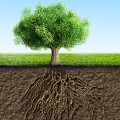
- Root Zone Analysis: Understanding the root system is essential. Roots often extend far beyond the tree's canopy, and any disruption can lead to instability.
A professional arborist can help assess the root zone and determine how construction activities might impact it.
- Tree Health Check: Conduct a detailed health check using tools like resistographs or sonic tomographs to evaluate internal decay. This assessment helps identify trees that may not withstand construction-related stress.
- Species Consideration: Different tree species have varying tolerances to disturbance. Knowing which species are present can guide decisions on preservation or removal.
By recognizing these hazards early on, you can implement strategies to mitigate them, such as pruning or installing protective barriers around the trees.Involving an arborist in this evaluation process not only ensures a professional assessment but also provides insights into best practices for tree management. Their expertise can guide you in making informed decisions that prioritize both the health of the trees and the integrity of your construction project.
Creating a Tree Protection Plan
Developing a comprehensive tree protection plan is essential for minimizing damage to trees during construction or renovation projects. This plan should be tailored to the specific site and the trees involved, ensuring that all stakeholders understand their roles in protecting these valuable natural resources.1.Assess the Site
- Begin by conducting a thorough assessment of the site to identify all trees that may be affected by construction activities. This includes evaluating their health, size, and species.
- Consult with an arborist to determine which trees are worth protecting based on their condition and ecological value.
2.Define Protection Zones
- Establish protection zones around each tree, typically extending to the tree's drip line or further, depending on the species and size.
These zones should be clearly marked on-site.
- Use physical barriers such as fencing or orange construction tape to delineate these areas, preventing equipment and materials from encroaching.
3.Develop Construction Guidelines
- Create specific guidelines for construction activities within proximity to protected trees. This may include restrictions on heavy machinery operation, excavation, and material storage.
- Ensure that all workers are trained on the importance of tree protection and the specific measures outlined in the plan.
4.Monitor and Maintain
- Regularly monitor the health of protected trees throughout the construction process. Look for signs of stress or damage, such as wilting leaves or bark injuries.
- If any issues arise, consult with an arborist immediately to address potential problems before they escalate.
5.Post-Construction Care
- After construction is complete, continue to care for the trees by providing adequate water, mulch, and nutrients as needed.
- Consider implementing a long-term maintenance plan to ensure the ongoing health of the trees that were protected during construction.
Implementing Physical Barriers and Buffer Zones
When undertaking construction or renovation projects, protecting trees is crucial to maintaining the health of the surrounding ecosystem.One effective strategy is the implementation of physical barriers and buffer zones around trees. These measures not only safeguard the trees from potential damage but also help in preserving their structural integrity during the construction process.
Physical Barriers for Trees
- Tree Protection Fencing: Installing sturdy fencing around the tree's critical root zone (CRZ) is one of the most effective ways to prevent accidental damage. This fencing should be at least 4 feet high and placed at a distance that encompasses the entire CRZ.
- Warning Signs: Placing clear signage on the barriers can alert workers and contractors to the importance of avoiding these areas, thereby reducing the risk of unintentional harm.
- Ground Covering: Using mulch or wood chips within the barrier can help protect the tree roots from compaction and provide additional insulation against temperature fluctuations.
Buffer Zones
A buffer zone is an area surrounding a tree that is kept free from construction activities. Establishing these zones is essential for minimizing soil disturbance and protecting tree roots.
Here are some key considerations:
- Size of Buffer Zones: The size of a buffer zone should be determined based on the species of tree and its root system. Generally, a radius of at least 1.5 times the tree's height is recommended.
- Avoiding Soil Compaction: Heavy machinery should be kept out of these zones to prevent soil compaction, which can severely damage tree roots and hinder their ability to absorb water and nutrients.
- Regular Monitoring: It’s important to regularly check buffer zones for any signs of encroachment or damage, ensuring that protective measures remain effective throughout the duration of the project.
Managing Soil Compaction Around Trees
Soil compaction is a significant concern during construction or renovation projects, especially when it comes to protecting the health of nearby trees. Compacted soil can severely restrict tree roots, limiting their access to essential nutrients, water, and oxygen. To effectively manage soil compaction around trees, consider the following techniques:- Establish a Protective Barrier: Create a physical barrier around the tree's root zone using fencing or mulch.
This helps prevent heavy machinery and foot traffic from compacting the soil.
- Use Light Equipment: When working near trees, opt for lighter machinery or hand tools to minimize soil disturbance. Heavy equipment can exert excessive pressure on the soil, leading to compaction.
- Implement Soil Aeration: Aerating the soil around trees can alleviate compaction. This process involves creating small holes in the soil to improve air circulation and water infiltration, promoting healthier root growth.
- Maintain Moisture Levels: Keeping the soil adequately moist can help reduce compaction. Watering the area before construction activities can soften the soil, making it less prone to compaction.
- Monitor Soil Composition: Regularly test the soil for its composition and structure.
Amending the soil with organic matter can enhance its ability to retain moisture and nutrients while reducing compaction risks.
Watering and Nutrient Management During Construction
During construction or renovation projects, proper watering and nutrient management are crucial for the health of trees in the vicinity. Trees can experience significant stress due to soil disruption, changes in water availability, and root damage. Implementing effective tree care strategies can help mitigate these risks and promote tree survival.Watering Practices
- Regular Monitoring: Assess the moisture levels in the soil around the trees regularly.
This is especially important during dry spells or after heavy rainfall, as construction activities can alter drainage patterns.
- Deep Watering: Instead of frequent shallow watering, aim for deep watering sessions that encourage roots to grow deeper into the soil. This can be achieved by applying water slowly over a longer period.
- Use of Soaker Hoses: Consider using soaker hoses or drip irrigation systems to provide consistent moisture without oversaturating the soil.
Nutrient Management
- Soil Testing: Conduct soil tests to determine nutrient levels and pH balance. This information will guide you in selecting appropriate fertilizers that meet the specific needs of your trees.
- Organic Fertilizers: Use organic fertilizers that release nutrients slowly and improve soil structure. This helps maintain a healthy root environment during construction.
- Avoid Chemical Runoff: Ensure that any chemicals used on-site do not contaminate the soil around trees.
Implement erosion control measures to prevent runoff from affecting tree health.
Monitoring Tree Health Throughout the Project
Effective tree management during construction or renovation projects requires a proactive approach to monitoring tree health. As the project progresses, it is crucial to regularly assess the condition of trees in proximity to the work site. This ongoing vigilance helps identify any signs of stress or damage that may arise due to construction activities.Regular Inspections
- Conduct visual inspections at key stages of the project, focusing on tree foliage, bark condition, and root exposure.
- Look for symptoms such as wilting leaves, discoloration, or premature leaf drop, which may indicate stress.
- Engage a certified arborist to perform detailed assessments if any issues are detected.
Implementing Care Strategies
If any health issues are identified during inspections, immediate action is necessary.
Here are some strategies to address potential problems:
- Watering: Ensure that trees receive adequate water, especially during dry spells. Construction can disrupt natural water flow, so consider installing temporary irrigation systems.
- Mulching: Apply mulch around the base of trees to retain moisture and regulate soil temperature. This can help mitigate stress caused by construction activities.
- Root Protection: If roots are exposed or damaged, consider using protective barriers or soil amendments to promote recovery.
Documenting Changes
Keep a detailed log of all observations and actions taken regarding tree health throughout the project. This documentation not only aids in ongoing tree care during construction, but also provides valuable insights for future projects.
By maintaining a comprehensive record, you can track the effectiveness of your ongoing tree management efforts and make informed decisions moving forward.In conclusion, prioritizing the health of trees during construction is essential for their long-term survival. By implementing a robust monitoring system and addressing issues promptly, you can significantly reduce the risk of tree damage and ensure a successful integration of natural elements into your project.
Post-Construction Tree Care and Maintenance
Once construction or renovation projects are completed, post-construction tree care becomes crucial for ensuring the long-term health and stability of trees that may have been affected during the process. Implementing effective tree management practices can significantly enhance the resilience of these trees.1.Watering and Irrigation:
- After construction, trees may experience stress due to root disturbance. Regular watering is essential, especially during dry spells.
Aim for deep watering to encourage root growth.
- Consider installing a drip irrigation system to provide consistent moisture without over-saturating the soil.
2.Mulching:
- Apply a layer of organic mulch around the base of the tree, extending out to the drip line. This helps retain moisture, suppress weeds, and regulate soil temperature.
- Avoid piling mulch against the trunk, as this can lead to rot and pest issues.
3.Monitoring Tree Health:
- Regularly inspect trees for signs of stress, such as wilting leaves, discoloration, or unusual growth patterns. Early detection of problems can lead to more effective interventions.
- Keep an eye out for pests and diseases that may take advantage of weakened trees.
4.Pruning:
- Conduct careful pruning to remove any dead or damaged branches that could pose a risk to the tree's health or structural integrity.
- Timing is important; prune during the dormant season to minimize stress on the tree.
5.Soil Management:
- If soil compaction occurred during construction, consider aerating the soil around the tree to improve root access to air and nutrients.
- Add organic matter to enhance soil structure and fertility, promoting healthier growth.
Frequently Asked Questions About Tree Management During Construction
When it comes to tree management during construction or renovation projects, several common questions arise.Understanding these can help ensure the health and safety of trees on your property.
- What is the best way to protect trees during construction?
To protect trees, establish a tree protection zone around each tree. This zone should be marked with fencing to prevent equipment and materials from damaging the root system. Additionally, avoid compacting the soil within this area. - How can I assess the health of a tree before construction?
Before starting any project, conduct a thorough assessment of the tree's health. Look for signs of disease, damage, or stress, such as discolored leaves or dead branches.Consulting an arborist can provide expert insights.
- Is it necessary to prune trees before construction?
Pruning may be necessary to remove dead or damaged branches that could pose a risk during construction. However, avoid excessive pruning as it can stress the tree. Always consult with a professional before making cuts. - What should I do if roots are exposed during excavation?
If you encounter exposed roots, cover them with moist burlap or soil to protect them from drying out. Avoid cutting roots larger than 2 inches in diameter unless absolutely necessary, and consult an arborist for guidance. - Can I plant new trees after construction?
Yes! In fact, planting new trees can help restore the landscape after construction.Choose species that are suitable for your area and consider their mature size to avoid future conflicts with structures.
Conclusion: Key Takeaways for Effective Tree Management in Construction Projects
In conclusion, effective tree management during construction projects is crucial for preserving the health and longevity of trees while ensuring the success of the project. By implementing the strategies discussed, stakeholders can minimize the risk of damage to trees and promote a harmonious coexistence between nature and development. Here are the key takeaways for successful tree management:- Conduct a Tree Assessment: Before any construction begins, it is essential to evaluate the existing trees on-site. This assessment should include identifying tree species, health status, and root zones.
- Develop a Tree Protection Plan: A comprehensive plan should outline protective measures such as fencing around critical root zones and guidelines for equipment operation near trees.
- Utilize Professional Arborists: Engaging certified arborists can provide expert insights into tree care and management, ensuring that all actions taken are in the best interest of tree health.
- Monitor Construction Activities: Regular monitoring during construction can help identify potential threats to trees early on, allowing for timely interventions.
- Educate Workers: Training construction crews on the importance of tree protection can foster a culture of respect for natural resources on-site.