Tree management is a vital practice that encompasses the care, maintenance, and planning of trees in both urban and rural environments. It involves a range of activities aimed at ensuring the health and longevity of trees, which are essential for ecological balance, aesthetic appeal, and community well-being. Understanding tree management is crucial as it not only contributes to environmental sustainability but also enhances the quality of life for residents by providing shade, improving air quality, and supporting biodiversity. The importance of effective tree management cannot be overstated. In urban areas, where green spaces are often limited, trees play a critical role in mitigating heat, reducing stormwater runoff, and improving overall urban aesthetics.
In rural settings, trees contribute to soil conservation, wildlife habitats, and agricultural productivity. By implementing sound tree management practices, communities can foster healthier ecosystems that benefit both people and wildlife. Various practices fall under the umbrella of tree management, including planting, pruning, pest control, and disease management. Each of these practices requires knowledge and skill to ensure that trees thrive in their respective environments. As we delve deeper into the topic, it becomes evident that community involvement and education are key components that can significantly enhance these practices.
Engaging local residents in tree care initiatives not only promotes stewardship but also cultivates a sense of responsibility towards maintaining the natural landscape.
The Importance of Community Involvement in Tree Management
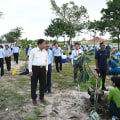
Community involvement is a cornerstone of effective tree management, fostering a sense of ownership and responsibility among local residents. When communities actively participate in tree care initiatives, they not only enhance the urban landscape but also cultivate a deeper understanding of the ecological benefits trees provide.Benefits of Community Participation
- Increased Awareness: Engaging community members in tree management raises awareness about the importance of trees in combating climate change, improving air quality, and providing habitat for wildlife.
- Volunteerism: Local tree planting events and maintenance days encourage volunteerism, allowing residents to contribute their time and effort towards enhancing their environment.
- Local Stewardship: When individuals take part in caring for trees, they develop a sense of stewardship that leads to long-term commitment to maintaining green spaces.
Successful Case Studies
Numerous cities have successfully implemented community-driven tree management programs. For instance, in Portland, Oregon, the Portland Parks & Recreation department collaborates with local volunteers to plant and maintain trees throughout the city. This initiative not only beautifies neighborhoods but also educates participants about proper tree care techniques.Another example is the TreePeople organization in Los Angeles, which empowers residents to take action through workshops and hands-on training.
Their programs have resulted in thousands of trees being planted and cared for by community members, significantly improving urban canopy cover.These initiatives demonstrate that when communities come together for tree management, the benefits extend beyond just the trees themselves; they foster community bonds, enhance local ecosystems, and create a legacy of environmental stewardship for future generations.
Educational Programs for Tree Management
Effective tree management begins with education, as informed communities are better equipped to care for their local green spaces. Various educational programs have emerged to empower individuals with the knowledge and skills necessary for proper tree care.Workshops on Tree Care
- Local municipalities and non-profit organizations often host workshops that cover essential topics such as tree planting, pruning techniques, and pest management. These hands-on sessions allow participants to learn directly from experts.
- Workshops can also focus on the ecological benefits of trees, teaching community members how trees contribute to air quality, biodiversity, and climate resilience.
School Programs
- Integrating tree management education into school curriculums fosters a sense of responsibility among younger generations. Programs that involve students in tree planting and maintenance not only educate them about the importance of trees but also instill a lifelong appreciation for nature.
- Field trips to local parks or arboretums can enhance learning experiences, allowing students to observe tree care practices in action.
Online Resources
- The internet offers a wealth of educational resources, including webinars, instructional videos, and downloadable guides.
Websites dedicated to urban forestry provide valuable information on best practices for tree care.
- Social media platforms can also serve as a tool for community engagement, where local groups share tips, success stories, and upcoming events related to tree management.
Collaboration Between Local Governments and Communities
Effective tree management requires a synergistic approach that involves both local governments and community members. By fostering collaboration, these entities can create a robust framework for sustainable tree care and urban forestry initiatives.Government Role in Tree Management
Local governments play a crucial role in establishing policies that govern tree management practices. They can implement regulations that protect existing trees, promote the planting of new ones, and ensure that urban development considers green spaces.
For instance, municipalities can develop ordinances that require developers to include tree preservation plans in their projects, thereby integrating tree management into the fabric of urban planning.
Community-Government Partnerships
Partnerships between local governments and community organizations can enhance the effectiveness of tree management efforts. These collaborations can take various forms, such as:
- Joint Tree Planting Initiatives: Local governments can partner with community groups to organize tree planting events, which not only increase the urban canopy but also foster community spirit.
- Educational Workshops: Governments can sponsor workshops that educate residents about the importance of trees, proper care techniques, and the ecological benefits they provide.
- Volunteer Programs: Establishing volunteer programs allows community members to actively participate in tree maintenance, creating a sense of ownership and responsibility towards local green spaces.
Local Policies on Trees
To support these partnerships, local policies should be designed to encourage community involvement in tree management. This could include:
- Incentives for Tree Planting: Offering tax breaks or grants for homeowners who plant trees on their property can motivate individuals to contribute to the urban forest.
- Tree Canopy Assessments: Conducting assessments to identify areas lacking sufficient tree cover can help prioritize planting efforts and allocate resources effectively.
- Public Engagement Campaigns: Launching campaigns that highlight the benefits of trees and encourage public participation in tree care initiatives can strengthen community ties and promote environmental stewardship.
Challenges in Community Involvement and Education
While community involvement and education are crucial for effective tree management, several challenges can hinder these efforts.Understanding these barriers is essential for developing strategies to enhance participation and knowledge.
Challenges in Tree Management Education
One significant challenge is the lack of accessible information regarding tree management. Many community members may not have the necessary background or resources to understand the complexities of tree care. This gap in knowledge can lead to misconceptions about tree health, maintenance practices, and the ecological benefits of trees.Barriers to Community Involvement
Another barrier is the limited engagement from local residents. Factors such as time constraints, lack of awareness, and insufficient outreach can prevent individuals from participating in tree management initiatives.Additionally, some communities may face socio-economic challenges that prioritize immediate needs over environmental concerns.
Overcoming Obstacles in Tree Care
To overcome these obstacles, it is vital to implement targeted educational programs that cater to diverse audiences. Workshops, hands-on demonstrations, and informational resources can empower community members with the knowledge they need to actively participate in tree management. Furthermore, fostering partnerships with local organizations can enhance outreach efforts and create a sense of shared responsibility. Engaging local schools in tree education programs can also cultivate a culture of stewardship among younger generations. By integrating tree care into school curricula, students can learn about the importance of trees while developing practical skills. Ultimately, addressing these challenges requires a collaborative approach that values community input and encourages active participation in tree management.By breaking down barriers and providing accessible education, communities can work together to ensure the health and sustainability of their urban forests.
Case Studies of Successful Community-Driven Tree Management
Community-driven tree management initiatives have proven to be effective in enhancing urban green spaces while fostering a sense of ownership among residents. Here are some notable case studies that exemplify successful tree management through community involvement:- TreePeople, Los Angeles, California: Founded in 1977, TreePeople engages local communities in planting and caring for trees across the city. Their programs emphasize education and hands-on involvement, leading to the planting of over 3 million trees. The success of TreePeople lies in its ability to mobilize volunteers and educate them on the ecological benefits of trees, creating a sustainable model for urban forestry.
- New York City’s MillionTreesNYC: This initiative aimed to plant one million trees across the five boroughs by 2015. The program not only focused on tree planting but also involved community workshops and partnerships with local organizations.
By fostering collaboration between city agencies and residents, MillionTreesNYC successfully increased urban canopy cover and improved air quality, demonstrating the power of community-led efforts in tree management.
- Friends of Trees, Portland, Oregon: This nonprofit organization has been instrumental in enhancing Portland’s urban forest through community planting events and educational programs. Friends of Trees emphasizes the importance of local stewardship, encouraging residents to take part in tree care and maintenance. Their model showcases how community engagement can lead to long-term sustainability in tree care programs.
- Education: Providing training and resources empowers community members to take an active role in tree care.
- Collaboration: Partnerships between local governments, nonprofits, and residents enhance resource sharing and program effectiveness.
- Sustainability: Engaging communities fosters a sense of responsibility that ensures ongoing care for trees beyond initial planting.
Future Trends in Tree Management Education and Community Involvement
As we look towards the future of tree management, it is essential to recognize the evolving landscape of community involvement and education. Emerging trends indicate a shift towards more interactive and technology-driven approaches that can significantly enhance public engagement in tree care.Innovative Educational Programs
One of the most promising trends is the development of innovative educational programs that leverage technology.For instance, mobile applications and online platforms are being designed to provide users with real-time information about local tree species, their care requirements, and the ecological benefits they offer. These tools not only educate but also empower community members to take an active role in tree management.
Community Workshops and Events
Another trend gaining traction is the organization of community workshops and events focused on tree care. These gatherings serve as a platform for local experts to share knowledge about sustainable practices, pest management, and the importance of biodiversity. By fostering a sense of community around tree management, these events encourage participants to collaborate on local projects, such as tree planting initiatives or urban forestry programs.Citizen Science Initiatives
Citizen science is also playing a pivotal role in the future of tree management.Community members are increasingly being invited to participate in data collection efforts related to tree health and growth patterns. This hands-on involvement not only enhances public understanding but also contributes valuable data to researchers and urban planners.