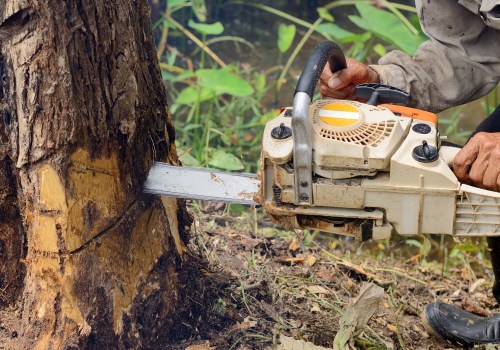
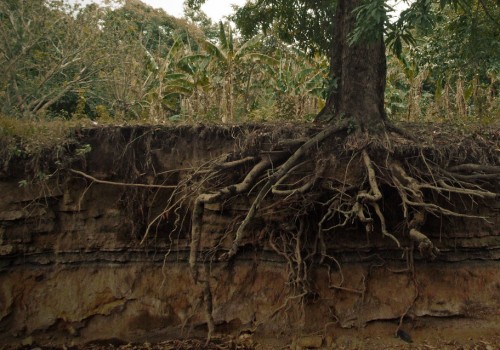
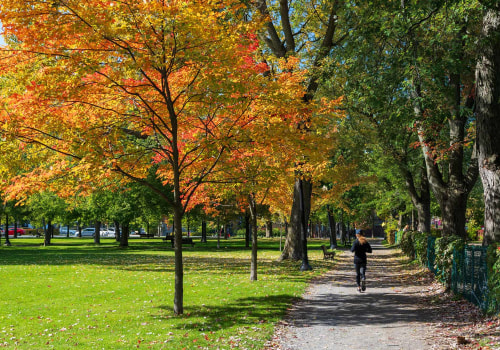
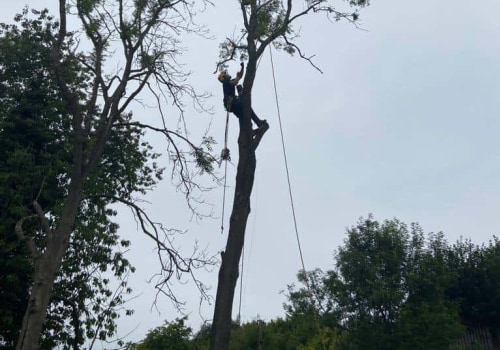
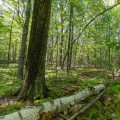
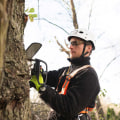
Tree management is a vital practice that encompasses the care, maintenance, and strategic planning of trees within a given area. It involves a variety of activities, including pruning, planting, and removing trees, all aimed at promoting healthy growth and ensuring the safety of surrounding environments. Understanding tree management is essential not only for enhancing the aesthetic appeal of landscapes but also for maintaining ecological balance and preventing potential hazards, such as wildfires. The importance of tree management cannot be overstated, especially in regions prone to wildfires. Properly managed trees can act as natural barriers against fire spread by creating defensible spaces around properties and communities.
This proactive approach helps reduce fuel loads—such as dead branches and dense underbrush—that can ignite easily during dry conditions. By implementing effective tree management strategies, landowners and municipalities can significantly mitigate fire risks while fostering healthier ecosystems. Moreover, tree management contributes to biodiversity by ensuring that various tree species thrive in their natural habitats. Healthy trees not only provide shelter and food for wildlife but also play a crucial role in carbon sequestration, air purification, and soil stabilization. As we delve deeper into the relationship between tree management and fire prevention, it becomes clear that these practices are not merely about aesthetics; they are essential for safeguarding our communities and preserving the environment.
The Connection Between Trees and Wildfires
Understanding the relationship between trees and wildfires is crucial for effective tree management.Trees can significantly influence fire behavior, primarily through factors such as fuel load, moisture content, and tree density.
Fuel Load
: The amount of combustible material available in a forested area is known as fuel load. Trees contribute to this load through their leaves, branches, and trunks. When these materials dry out, they become highly flammable. In areas with high fuel loads, wildfires can spread rapidly, making it essential to manage tree density and remove excess vegetation.
Moisture Content
: The moisture content of trees plays a vital role in determining how easily they ignite.
Healthy trees typically have higher moisture levels, which can help slow the spread of fire. However, during drought conditions or in overstocked forests where competition for water is high, trees may become stressed and lose moisture. This increases their susceptibility to ignition and enhances wildfire risk.
Tree Density
: The density of trees in a given area can also affect fire behavior. Dense stands of trees can create a microclimate that retains heat and moisture, but they can also lead to increased competition for resources.
This competition can weaken individual trees, making them more vulnerable to disease and pests, which further increases the risk of fire. Proper tree management practices, such as thinning overcrowded areas, can help reduce tree density and lower wildfire risks.In summary, effective tree management is essential for mitigating wildfire risks. By understanding how trees affect fire behavior through fuel load, moisture content, and density, land managers can implement strategies that promote healthier forests and enhance fire safety.
Key Tree Management Practices for Fire Prevention
Effective tree management is crucial for enhancing fire prevention and safety in both urban and rural settings. By implementing specific practices, property owners can significantly reduce the risk of wildfires and protect their homes and communities.Thinning
One of the primary tree management practices is thinning, which involves selectively removing trees to decrease density.This process allows for better air circulation and reduces competition for nutrients among trees. Thinning not only promotes healthier tree growth but also minimizes the amount of combustible material available to fuel a fire.
Pruning
Pruning is another essential technique that involves trimming branches to create a safer environment. By removing lower branches, homeowners can prevent fires from climbing into the tree canopy. Additionally, pruning helps to eliminate dead or diseased wood, which can act as kindling during a fire.Creating Defensible Space
Establishing a defensible space around structures is vital for fire safety.This area should be free of flammable vegetation and debris, extending at least 30 feet from buildings. Within this zone, tree management practices such as maintaining a well-manicured lawn, using non-combustible materials for landscaping, and spacing trees appropriately can greatly reduce fire risk.
Regular Maintenance
Regular maintenance is key to effective fire prevention techniques. This includes periodic inspections of trees for signs of disease or pest infestations, as well as ongoing efforts to clear away fallen leaves and branches that can accumulate and pose a fire hazard. By staying proactive with tree care, property owners can ensure their landscapes remain safe.In conclusion, implementing these tree management practices—thinning, pruning, creating defensible space, and regular maintenance—can significantly enhance fire prevention efforts.By taking these steps, individuals not only protect their properties but also contribute to the overall safety of their communities.
The Role of Community Involvement in Tree Management
Community involvement plays a crucial role in effective tree management, particularly when it comes to enhancing fire prevention and safety. Engaging local residents not only fosters a sense of ownership but also encourages proactive measures that can significantly reduce fire risks.Community Tree Management Initiatives
- Neighborhood Tree Care Programs: Local governments and organizations can establish programs that educate residents on proper tree care techniques, including pruning and removal of dead or diseased trees. These initiatives can help maintain healthy trees that are less likely to become fire hazards.
- Volunteer Days: Organizing community volunteer days for tree planting and maintenance can enhance local green spaces while promoting fire safety awareness. Volunteers can learn about the importance of maintaining defensible space around properties.
- Workshops and Training: Hosting workshops on fire-resistant landscaping and tree management practices empowers community members with the knowledge to make informed decisions about their own properties.
Public Involvement in Fire Safety
When communities come together to address fire safety, the impact is amplified.
Public involvement can lead to:
- Increased Awareness: Community meetings and outreach programs can educate residents about the risks associated with wildfires and the role of trees in fire behavior.
- Collaboration with Local Fire Departments: Partnering with local fire services can provide residents with expert insights on creating defensible spaces and understanding fire risk assessments.
- Emergency Preparedness Plans: Communities can develop comprehensive emergency plans that include tree management strategies, ensuring that all residents are prepared in case of a wildfire.
Conclusion
Ultimately, community engagement in tree management not only enhances the health of local ecosystems but also plays a vital role in promoting fire safety. By working together, communities can create safer environments that are better equipped to handle the threat of wildfires.
Case Studies: Successful Tree Management Initiatives
Effective tree management initiatives have been implemented across various regions, showcasing their potential in reducing wildfire risks. Here are some notable case studies that highlight successful programs:- California's Forest Health Initiative: In response to increasing wildfire threats, California launched a comprehensive forest management program aimed at reducing fuel loads. This initiative involved selective thinning of overgrown forests and the removal of dead trees, which significantly decreased the intensity of wildfires in affected areas.
The program not only improved forest health but also enhanced biodiversity.
- Colorado's Community Wildfire Protection Plans (CWPP): Several communities in Colorado have adopted CWPPs that focus on tree management as a key strategy for fire prevention. These plans include creating defensible spaces around homes by managing vegetation and conducting controlled burns. As a result, communities have reported lower fire incidents and increased safety for residents.
- Oregon's Firewise Communities Program: This program encourages homeowners to engage in tree management practices that mitigate fire risks. By educating residents on proper landscaping techniques and the importance of maintaining healthy trees, Oregon has seen a marked decrease in property damage during wildfire seasons.
The program emphasizes community involvement and proactive measures.
Frequently Asked Questions About Tree Management and Fire Safety
Understanding the relationship between tree management and fire safety is crucial for homeowners and landowners alike. Here are some frequently asked questions that can help clarify this important topic:- What is tree management?
Tree management involves the systematic care and maintenance of trees to promote their health, safety, and longevity. This includes pruning, thinning, and removing dead or diseased trees, which can significantly reduce fire hazards. - How does tree management contribute to fire prevention?
Effective tree management reduces the amount of combustible material in and around your property.By maintaining a safe distance between trees and structures, as well as removing low-hanging branches, you can minimize the risk of fire spreading.
- What specific practices should I follow for fire safety?
Consider implementing the following practices:- Regularly prune trees to remove dead or dying branches.
- Thin out dense tree stands to reduce competition for resources and lower fire intensity.
- Create defensible space by clearing flammable vegetation within a certain radius of your home.
- When is the best time to manage trees for fire safety?
The ideal time for tree management is during the late fall or winter months when trees are dormant. This timing minimizes stress on the trees and reduces the risk of pest infestations. - Can I manage my trees myself?
While some basic tree care can be done by homeowners, it’s often best to consult with a professional arborist, especially for larger trees or complex situations. They can provide expert advice tailored to your specific landscape.
Conclusion: The Importance of Proactive Tree Management for Fire Safety
In conclusion, proactive tree management plays a crucial role in enhancing fire prevention and safety.By implementing effective strategies, property owners and land managers can significantly reduce the risk of wildfires and protect both human lives and natural resources. Key points to consider include:
- Regular Maintenance: Routine inspections and maintenance of trees can identify potential hazards such as dead branches or overcrowded canopies that may contribute to fire spread.
- Strategic Pruning: Pruning trees to remove lower branches and thinning out dense foliage can create defensible space around properties, reducing the likelihood of fire reaching structures.
- Species Selection: Choosing fire-resistant tree species for landscaping can further mitigate risks, as some trees are more resilient to flames than others.
- Community Involvement: Engaging local communities in tree management initiatives fosters a collective responsibility towards fire safety, ensuring that everyone is aware of the importance of maintaining healthy landscapes.