Tree management is a vital practice that encompasses the planning, care, and maintenance of trees in various environments, from urban landscapes to natural forests. It involves a comprehensive approach to ensure that trees thrive, contributing to the overall health of ecosystems. By understanding the principles of tree management, we can appreciate its significance not only in enhancing biodiversity but also in addressing critical issues such as pest control and the management of invasive species.The importance of tree management extends beyond aesthetic appeal; it plays a crucial role in maintaining ecological balance. Healthy trees provide habitats for numerous species, improve air quality, and help regulate temperatures.
However, when trees are neglected or improperly managed, they can become susceptible to pests and diseases, which may lead to infestations that threaten both tree health and surrounding flora. Effective tree management practices can mitigate these risks by promoting tree vigor and resilience.Moreover, invasive species pose a significant threat to native ecosystems, often outcompeting local flora for resources. Through strategic tree management, we can identify and control these invasive species before they establish dominance. This proactive approach not only protects native trees but also fosters a more balanced ecosystem where biodiversity can flourish.
In essence, understanding tree management is essential for anyone interested in preserving our natural environments and ensuring sustainable landscapes for future generations.
The Connection Between Tree Health and Pest Control
Maintaining tree health is crucial not only for the aesthetic and ecological value of trees but also for effective pest control. Healthy trees are more resilient to pest infestations, as they possess natural defenses that can deter harmful insects and diseases.How Tree Health Affects Pests
- Vigor and Resistance: Trees that are well-nourished and properly cared for exhibit greater vigor, making them less susceptible to pest attacks. A robust tree can produce secondary metabolites, such as tannins and resins, which can repel pests.
- Stress Factors: Trees under stress from environmental factors—such as drought, poor soil conditions, or improper pruning—are more likely to attract pests. Stressed trees may emit volatile organic compounds that signal their vulnerability, attracting pests looking for easy targets.
- Biodiversity: Healthy trees contribute to a diverse ecosystem that supports beneficial insects and wildlife.
These natural predators can help keep pest populations in check, reducing the need for chemical interventions.
Common Pests Affecting Trees and Their Impact
Understanding the common pests that affect trees is crucial for effective tree management. These pests can significantly impact tree health and the surrounding ecosystem.Here are some of the most prevalent tree pests:
- Emerald Ash Borer: This invasive beetle targets ash trees, leading to their rapid decline and death. The larvae feed on the inner bark, disrupting the tree's ability to transport nutrients.
- Gypsy Moth: Known for defoliating a wide range of trees, gypsy moth caterpillars can weaken trees, making them more susceptible to diseases and other pests.
- Southern Pine Beetle: This bark beetle infests pine trees, causing significant damage by tunneling under the bark. Infested trees often exhibit yellowing needles and eventually die.
- Japanese Beetle: These beetles feed on leaves, flowers, and fruits of various trees, leading to aesthetic damage and reduced vigor.
Trees play a vital role in providing habitat for wildlife; thus, their loss can disrupt entire ecosystems. Pest identification is essential for effective management. Early detection allows for timely intervention, which can include physical removal, biological control methods, or targeted pesticide application. Regular monitoring of tree health and pest populations can help in developing a proactive tree management strategy that minimizes damage and promotes resilience against future infestations.
Invasive Species: Threats to Tree Management
Invasive species pose significant threats to tree management practices, disrupting ecosystems and undermining the health of native tree populations. These non-native species often outcompete indigenous flora for resources such as sunlight, water, and nutrients, leading to a decline in biodiversity.One of the primary challenges in managing invasive species is their rapid reproduction and adaptability.For instance, species like the Emerald Ash Borer and Japanese Knotweed have demonstrated an alarming ability to spread quickly, making it difficult for tree management professionals to implement effective control measures.
- Competition for Resources: Invasive plants can overshadow native trees, limiting their growth and survival.
- Pest Attraction: Some invasive species can attract pests that further threaten tree health.
- Disease Transmission: Invasive species may carry diseases that can spread to native trees, compounding the problem.
- Monitoring and Early Detection: Regular assessments of tree health and surrounding vegetation can help identify invasive species before they become established.
- Mechanical Removal: Physically removing invasive plants can be effective, especially in smaller infestations.
- Chemical Control: Herbicides may be necessary for larger infestations but should be used judiciously to minimize impact on native species.
Strategies for Effective Tree Management in Pest Control
Effective tree management plays a crucial role in controlling pests and managing invasive species. By implementing a variety of strategies, landowners and arborists can create a healthier ecosystem that minimizes pest populations and enhances tree vitality.- Regular Monitoring: Conducting regular inspections of trees helps identify early signs of pest infestations or disease.
This proactive approach allows for timely interventions before problems escalate.
- Pruning and Thinning: Proper tree management includes pruning to remove dead or diseased branches, which can harbor pests. Thinning out crowded trees improves air circulation and sunlight penetration, making the environment less hospitable for pests.
- Soil Health Management: Healthy soil promotes strong tree growth, which can naturally resist pest attacks. Implementing practices such as mulching, composting, and proper irrigation can enhance soil health.
- Integrated Pest Management (IPM): This holistic approach combines biological, cultural, physical, and chemical tools to manage pests sustainably. For instance, introducing natural predators or using organic pesticides can effectively control pest populations without harming beneficial insects.
- Species Selection: Choosing tree species that are native or well-adapted to the local environment can reduce susceptibility to pests.
Native species often have natural defenses against local pests and diseases.
- Education and Training: Educating staff and community members about tree management practices and pest identification is essential. Workshops and training sessions can empower individuals to recognize issues early and take appropriate action.
Best Practices for Managing Invasive Species in Trees
Effective tree management is crucial for controlling invasive species that threaten native ecosystems. Implementing best practices can significantly reduce the impact of these invaders and promote healthier tree populations.Prevention Strategies
Preventing the introduction and spread of invasive species is the first line of defense.Here are some key strategies:
- Site Assessment: Conduct thorough assessments of planting sites to identify potential invasive species before they establish.
- Native Species Selection: Choose native tree species that are well-adapted to local conditions, as they are less likely to be outcompeted by invasives.
- Regular Monitoring: Implement a monitoring program to regularly check for signs of invasive species and take action promptly.
Control Methods
If invasive species are already present, effective control methods must be employed:- Cultural Control: Modify land management practices, such as adjusting irrigation and fertilization, to favor native trees over invasive ones.
- Mechanical Removal: Physically remove invasive trees and shrubs, ensuring that roots are completely extracted to prevent regrowth.
- Chemical Treatments: Use herbicides judiciously to target specific invasive species while minimizing harm to surrounding flora. Always follow local regulations and guidelines.
The Role of Community Involvement in Tree Management
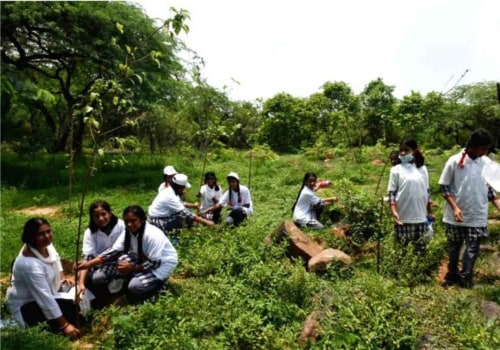
Community involvement plays a crucial role in effective tree management, particularly when it comes to enhancing pest control and managing invasive species.Engaging local residents not only fosters a sense of ownership but also cultivates a deeper understanding of the ecological balance within their environment.
Public Awareness and Education
- Raising public awareness about the importance of trees in urban ecosystems can lead to more proactive measures in pest control. When community members understand how trees contribute to biodiversity, they are more likely to participate in preservation efforts.
- Educational programs can inform residents about the signs of pest infestations and the impact of invasive species, empowering them to take action before problems escalate.
Community Programs for Trees
- Local governments and organizations can establish community programs that encourage tree planting and maintenance. These initiatives not only beautify neighborhoods but also create habitats for beneficial insects that naturally control pests.
- Volunteer days for tree care, such as pruning and mulching, can be organized to enhance tree health, making them less susceptible to pests and diseases.
By educating the public and encouraging active participation, communities can create a healthier environment that benefits both people and nature.
FAQs About Tree Management and Pest Control
Tree management plays a crucial role in maintaining healthy ecosystems and can significantly aid in pest control and the management of invasive species. Here are some frequently asked questions regarding this important topic:- How does tree management help with pest control? Effective tree management practices, such as regular pruning and monitoring, can help identify and eliminate pest infestations before they spread. By maintaining tree health, you reduce the likelihood of attracting pests that thrive on weakened trees.
- What are some common pests that affect trees? Common tree pests include aphids, bark beetles, and caterpillars. Each of these pests can cause significant damage if not managed properly.
Tree management strategies can help mitigate their impact.
- Can tree management prevent invasive species? Yes, proactive tree management can prevent the establishment of invasive species by promoting native plant growth and creating a balanced ecosystem. This includes removing invasive plants and ensuring that native trees are healthy and thriving.
- What practices are involved in effective tree management? Effective tree management includes regular inspections, proper pruning techniques, soil health maintenance, and the use of organic pest control methods. These practices not only enhance tree health but also create an environment less conducive to pests and invasives.
- How often should trees be inspected for pests? Trees should be inspected at least once a year, but more frequent checks may be necessary for high-risk areas or during peak pest seasons. Early detection is key to effective pest control.
Conclusion: The Importance of Tree Management for a Healthy Ecosystem
In conclusion, tree management plays a pivotal role in maintaining a healthy ecosystem and effectively controlling pests and invasive species.By implementing strategic practices, we can enhance biodiversity, promote tree health, and create a balanced environment that supports both native flora and fauna.Effective tree management involves:
- Regular Monitoring: Keeping an eye on tree health allows for early detection of pest infestations and the spread of invasive species.
- Pruning and Thinning: These practices not only improve tree structure but also increase air circulation and sunlight penetration, making it harder for pests to thrive.
- Diversity in Planting: Incorporating a variety of tree species can reduce the risk of widespread pest outbreaks, as many pests are specialized to certain types of trees.
- Soil Management: Healthy soil promotes strong trees that are more resistant to pests and diseases.