Biodiversity refers to the variety of life forms on Earth, encompassing the diversity of species, ecosystems, and genetic variations within species. It plays a critical role in maintaining ecosystem health, providing essential services such as clean air and water, pollination of crops, and climate regulation. The intricate web of interactions among different organisms ensures that ecosystems function effectively, supporting not only wildlife but also human communities. As we face increasing environmental challenges, understanding the importance of biodiversity becomes paramount. One of the key areas where we can make a significant impact is through tree management.
Trees are vital components of many ecosystems, serving as habitats for countless species and contributing to the overall health of the environment. Effective tree management practices can enhance biodiversity by creating diverse habitats, improving soil quality, and promoting a balanced ecosystem. By strategically planting native tree species and managing existing forests, we can foster environments that support a wide range of flora and fauna. Moreover, healthy tree populations contribute to carbon sequestration, helping mitigate climate change effects. This interconnectedness highlights how tree management is not just about maintaining individual trees but about nurturing entire ecosystems.
As we delve deeper into this topic, we will explore various strategies that can be employed to promote biodiversity through thoughtful and sustainable tree management practices.
The Role of Trees in Ecosystems
Trees play a crucial role in maintaining healthy ecosystems, providing a multitude of ecosystem services that support both wildlife and human communities. One of the most significant benefits of trees is their ability to provide habitat for a diverse array of species. Forests and urban green spaces serve as homes for birds, mammals, insects, and other organisms, creating complex food webs that enhance biodiversity.In addition to habitat provision, trees are vital for carbon sequestration. Through the process of photosynthesis, trees absorb carbon dioxide from the atmosphere, helping to mitigate climate change.This not only benefits the environment but also supports the survival of various species that are sensitive to climate fluctuations.Moreover, trees contribute to soil health by preventing erosion and enhancing nutrient cycling. Their root systems stabilize the soil, reducing runoff and promoting water infiltration. This is particularly important in areas prone to flooding or drought, where healthy soil can make a significant difference in ecosystem resilience.Furthermore, trees improve air quality by filtering pollutants and producing oxygen. This not only benefits wildlife but also enhances human health and well-being.
Urban areas with ample tree cover often experience lower temperatures and reduced heat island effects, making them more livable.In summary, the role of trees in ecosystems extends far beyond their aesthetic value. By providing habitat, sequestering carbon, improving soil health, and enhancing air quality, trees are indispensable allies in promoting biodiversity. Effective tree management practices can further amplify these benefits, ensuring that both natural and urban environments thrive.
Sustainable Tree Management Practices
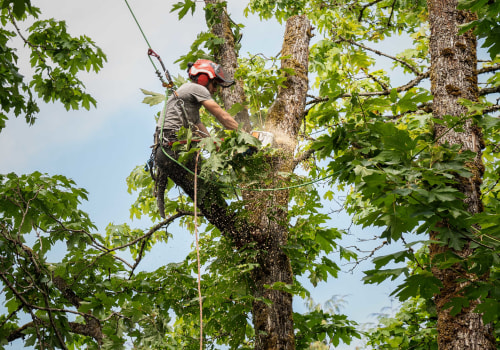
Implementing sustainable tree management practices is essential for enhancing biodiversity in forest ecosystems. These practices not only support the health of tree populations but also create habitats for various species, contributing to a balanced ecosystem.One effective method is selective logging, which involves carefully choosing which trees to harvest while leaving others intact.This approach minimizes disruption to the surrounding environment and allows for the preservation of diverse plant and animal species. By maintaining a mix of tree ages and species, selective logging promotes a more resilient forest structure.
Reforestation
is another critical practice that can significantly boost biodiversity. This involves planting native tree species in areas that have been deforested or degraded. Native trees are adapted to local conditions and provide food and shelter for indigenous wildlife, fostering a thriving ecosystem.Additionally, reforestation helps combat climate change by sequestering carbon dioxide from the atmosphere.Maintaining native species is vital in any tree management strategy. Native trees are more likely to support local wildlife, including birds, insects, and mammals, compared to non-native species. By prioritizing the planting and care of native trees, land managers can enhance habitat quality and promote ecological balance.Furthermore, implementing integrated pest management (IPM) techniques can protect trees from invasive pests while minimizing chemical use. This holistic approach not only safeguards tree health but also protects the broader ecosystem from harmful substances.In conclusion, adopting sustainable tree management practices such as selective logging, reforestation with native species, and integrated pest management can significantly enhance biodiversity.
By focusing on these strategies, we can ensure healthier forests that support a wide range of life forms.
Promoting Native Species in Tree Management
Promoting native tree species is a crucial aspect of effective tree management that significantly contributes to biodiversity conservation. Native trees are those that have evolved in a specific region and are well-adapted to the local climate, soil, and wildlife. By prioritizing these species in tree management practices, we can create healthier ecosystems that support a diverse range of flora and fauna.Benefits of Native Tree Species
- Habitat Provision: Native trees provide essential habitats for local wildlife, including birds, insects, and mammals. These species have co-evolved with native trees, relying on them for food and shelter.
- Soil Health: The root systems of native trees help to stabilize soil, prevent erosion, and improve soil fertility.
This contributes to a healthier ecosystem overall.
- Pest Resistance: Native trees are often more resistant to local pests and diseases, reducing the need for chemical interventions that can harm other species.
- Water Conservation: Many native species are adapted to local rainfall patterns, making them more efficient in water use compared to non-native varieties.
Strategies for Promoting Native Trees
- Education and Awareness: Informing the community about the benefits of native trees can encourage more people to choose them for landscaping and reforestation projects.
- Incentives for Planting: Local governments can offer incentives such as tax breaks or grants for homeowners and businesses that plant native trees.
- Partnerships with Local Organizations: Collaborating with environmental groups can help facilitate tree planting events focused on native species.
- Monitoring and Maintenance: Regularly monitoring the health of planted native trees ensures their survival and allows for timely interventions if issues arise.
Integrating Tree Management with Land Use Planning
Integrating tree management into land use planning is essential for fostering urban biodiversity and creating healthier ecosystems. By considering trees as integral components of the urban landscape, planners can enhance ecological functions while meeting the needs of the community.One effective approach is to develop urban forestry programs that prioritize the planting and maintenance of native tree species. Native trees are better adapted to local conditions and provide habitat for native wildlife, thus promoting biodiversity.Additionally, they often require less water and maintenance, making them a sustainable choice for urban environments.Another strategy involves creating green corridors that connect fragmented habitats. These corridors allow wildlife to move freely between different areas, reducing isolation and enhancing genetic diversity. Incorporating trees into these corridors not only provides shade and shelter but also improves air quality and mitigates urban heat effects.Furthermore, land use planning should include landscape ecology principles that assess the spatial arrangement of trees within urban settings. This can involve:
- Strategic placement of trees to maximize their ecological benefits, such as reducing stormwater runoff and improving soil health.
- Creating mixed-use developments that integrate green spaces with residential and commercial areas, encouraging community interaction with nature.
- Implementing tree canopies in public spaces to provide shade, reduce energy costs, and enhance the aesthetic appeal of neighborhoods.
Educational programs can raise awareness about the importance of trees in urban settings, encouraging residents to participate in tree planting and maintenance efforts.In conclusion, by integrating tree management with land use planning, cities can create vibrant ecosystems that support biodiversity while enhancing the quality of life for their inhabitants.
Community Involvement in Tree Management Initiatives
Community involvement plays a crucial role in enhancing biodiversity through effective tree management practices. By engaging local residents in tree programs, communities can foster a sense of ownership and responsibility towards their natural environment.Community Tree Programs
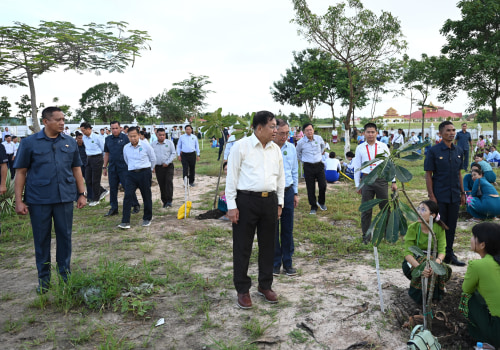
- Establishing community tree programs allows residents to participate in the planning and maintenance of urban forests. These initiatives can include tree planting days, where volunteers come together to plant native species that support local wildlife.
- Such programs often provide educational workshops that teach participants about the importance of biodiversity and how trees contribute to ecosystem health.
Public Engagement and Biodiversity
- Public engagement is essential for raising awareness about the benefits of trees in urban settings. By organizing events like tree walks or biodiversity fairs, communities can highlight the various species of trees and their roles in supporting local fauna.
- Engaging schools and youth organizations in tree management initiatives can instill a lifelong appreciation for nature among younger generations, encouraging them to advocate for sustainable practices.
Volunteer Tree Planting
- Volunteer tree planting events not only enhance green spaces but also create opportunities for community bonding.
When individuals work together towards a common goal, it strengthens community ties and fosters a collective commitment to environmental stewardship.
- These events can be tailored to focus on planting native species that are better adapted to local conditions, thus promoting biodiversity and resilience against pests and diseases.
Monitoring and Assessing Biodiversity Through Tree Management
Effective tree management practices are essential for promoting and maintaining biodiversity within ecosystems. To achieve this, it is crucial to implement robust methods for monitoring and assessing biodiversity.Here are some key approaches:
- Ecological Assessments: Conducting comprehensive ecological assessments allows for the evaluation of various species present in a given area. This includes identifying tree species, understory plants, and wildlife that depend on these trees for habitat. Regular assessments help in understanding the health of the ecosystem and the role of trees in supporting biodiversity.
- Tree Health Monitoring: Assessing the health of trees is vital for biodiversity. Healthy trees provide better habitats and food sources for various organisms.
Monitoring tree health can involve visual inspections, measuring growth rates, and checking for signs of disease or pest infestations. Tools such as tree health indices can quantify tree vitality and its impact on surrounding biodiversity.
- Biodiversity Monitoring Methods: Utilizing various biodiversity monitoring methods can enhance understanding of how tree management affects local ecosystems. Techniques such as remote sensing, camera traps, and bioacoustic monitoring can provide valuable data on species presence and behavior. These methods allow for a more comprehensive view of how tree management practices influence biodiversity over time.
By regularly evaluating the impact of tree management practices, land managers can adapt their strategies to enhance habitat quality and support a diverse range of species.
Challenges in Tree Management for Biodiversity Promotion
Implementing effective tree management practices to promote biodiversity is fraught with challenges that can hinder conservation efforts. Understanding these obstacles is crucial for developing strategies to overcome them.Common Challenges in Tree Management
- Invasive Species: The introduction of non-native species can disrupt local ecosystems, outcompeting native trees and plants for resources. This not only reduces biodiversity but also alters habitat structures.
- Climate Change: Shifts in climate patterns can affect tree health and distribution. Extreme weather events, such as droughts and storms, can lead to tree mortality, further threatening biodiversity.
- Urbanization: As cities expand, natural habitats are often destroyed or fragmented.
This urban sprawl limits the space available for trees and the wildlife that depends on them.
- Lack of Awareness: Many landowners and managers may not fully understand the importance of biodiversity or the role that trees play in supporting it. This can lead to inadequate management practices.
Overcoming Obstacles
To address these challenges, several strategies can be employed:- Education and Outreach: Increasing awareness about the importance of biodiversity and effective tree management practices can empower communities to take action.
- Restoration Projects: Implementing restoration initiatives that focus on reintroducing native species can help restore balance to ecosystems affected by invasive species.
- Sustainable Practices: Adopting sustainable forestry practices that prioritize biodiversity can mitigate the impacts of climate change and urbanization.
- Collaboration: Engaging with local governments, NGOs, and community groups can foster a collaborative approach to tree management that prioritizes biodiversity.
Case Studies: Successful Tree Management Practices Enhancing Biodiversity
Tree management practices can significantly enhance biodiversity, as demonstrated by various successful case studies across the globe. These examples highlight innovative approaches that not only promote healthy tree growth but also support a diverse range of flora and fauna.1.Urban Forest Management in Melbourne, Australia
Melbourne's urban forest management program focuses on increasing tree canopy cover while enhancing biodiversity. By planting native species and creating green corridors, the city has successfully attracted various bird species and pollinators.The initiative also includes community engagement, where residents participate in tree planting and maintenance, fostering a sense of stewardship.
2.Reforestation Efforts in Costa Rica
Costa Rica has implemented extensive reforestation projects that prioritize native tree species. These efforts have restored degraded lands and created habitats for numerous wildlife species. The country’s Payment for Environmental Services program incentivizes landowners to manage their forests sustainably, leading to increased biodiversity and improved ecosystem services.3.Agroforestry Practices in Kenya
In Kenya, agroforestry practices have been adopted to integrate trees into agricultural landscapes. Farmers plant trees alongside crops, which not only improves soil health but also provides habitats for various species.This practice has led to increased yields and enhanced biodiversity, demonstrating that tree management can coexist with agricultural productivity.
4.Community Forestry in Nepal
Nepal's community forestry initiatives empower local communities to manage forest resources sustainably. By involving local populations in decision-making processes, these programs have led to the restoration of degraded forests and increased biodiversity. The focus on native species has helped revive ecosystems and improve livelihoods.These case studies illustrate that effective tree management practices can lead to significant improvements in biodiversity. By prioritizing native species, engaging communities, and integrating trees into various landscapes, we can create healthier ecosystems that benefit both nature and humanity.Conclusion: The Path Forward for Biodiversity Through Tree Management
In conclusion, the role of tree management in promoting biodiversity cannot be overstated.As we have explored throughout this article, effective tree management practices not only enhance the health of our forests but also support a myriad of species that depend on these ecosystems for survival. To summarize, key strategies such as:
- Selective logging to maintain tree diversity and age structure
- Reforestation with native species to restore habitats
- Creating buffer zones around sensitive areas to protect wildlife
- Implementing sustainable practices that minimize environmental impact
The path forward is clear: through dedicated efforts in tree management, we can create a sustainable future that honors the intricate web of life that trees support.