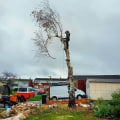
Tree management is a vital practice that encompasses the planning, care, and maintenance of trees in urban and rural environments. It involves a range of activities, from planting and pruning to disease management and removal of hazardous trees. Understanding tree management is essential not only for enhancing the aesthetic appeal of our surroundings but also for recognizing its profound impact on air quality. As urban areas continue to expand, the role of trees becomes increasingly significant in combating pollution and improving the overall health of our atmosphere. The importance of tree management cannot be overstated.
Healthy trees act as natural air filters, absorbing carbon dioxide and releasing oxygen through the process of photosynthesis. They also capture particulate matter and other pollutants, effectively reducing the concentration of harmful substances in the air we breathe. By implementing effective tree management practices, communities can ensure that their green spaces are not only beautiful but also functional in promoting cleaner air. Moreover, well-managed trees contribute to temperature regulation, which can further enhance air quality. Urban heat islands, areas significantly warmer than their rural surroundings due to human activities, can be mitigated by strategically placed trees that provide shade and cooling effects.
This interplay between tree management and environmental health highlights the necessity for communities to invest in sustainable practices that prioritize tree care and maintenance.
The Role of Trees in Air Quality Improvement
Trees play a vital role in enhancing air quality through several mechanisms that benefit both the environment and human health. One of the primary ways trees improve air quality is through carbon sequestration. As trees grow, they absorb carbon dioxide (CO2) from the atmosphere, storing carbon in their biomass and releasing oxygen as a byproduct. This process not only helps mitigate climate change but also contributes to a healthier atmosphere.In addition to carbon sequestration, trees are significant producers of oxygen.A mature tree can produce enough oxygen to support two human beings for a year. This oxygen production is essential for maintaining the balance of gases in our atmosphere, ensuring that we have the necessary air to breathe.Moreover, trees act as natural air filters. They absorb harmful pollutants such as sulfur dioxide, ammonia, and nitrogen oxides through their leaves and bark. This absorption process helps reduce the concentration of these harmful substances in the air, leading to improved overall air quality.
Furthermore, trees can trap particulate matter—tiny particles that can cause respiratory issues—by capturing them on their leaves and branches.The benefits of trees extend beyond just air quality improvement. They also provide shade, which can lower urban temperatures and reduce the formation of ground-level ozone, a harmful air pollutant. Additionally, green spaces with trees encourage outdoor activities, promoting physical health and well-being.In summary, effective tree management is crucial for maximizing these benefits. By planting and maintaining trees in urban and rural areas, communities can significantly enhance their air quality while reaping additional ecological and social advantages.
Key Tree Management Practices for Enhancing Air Quality
Effective tree management is essential for enhancing air quality, particularly in urban environments where pollution levels are often higher.Implementing specific practices can significantly improve the health of trees and, consequently, the air we breathe.
Proper Planting Techniques
Choosing the right location and method for planting trees is crucial. When planting, consider the following:- Soil Quality: Ensure the soil is well-aerated and rich in nutrients to support healthy root development.
- Spacing: Allow adequate space between trees to prevent overcrowding, which can lead to competition for resources.
- Species Selection: Opt for native species that are well-adapted to local conditions and have proven air-purifying capabilities.
Regular Maintenance Routines
Ongoing care is vital for maintaining tree health and maximizing their air quality benefits. Key maintenance practices include:- Pruning: Regularly prune trees to remove dead or diseased branches, promoting better air circulation and light penetration.
- Watering: Ensure trees receive adequate water, especially during dry spells, to maintain their vigor and ability to filter pollutants.
- Pest Management: Monitor for pests and diseases that can weaken trees, making them less effective at improving air quality.
Urban Tree Management Strategies
In urban settings, strategic planning is essential for maximizing the impact of tree management on air quality. Consider these strategies:- Tree Canopy Coverage: Aim to increase tree canopy coverage in urban areas, as a denser canopy can trap more pollutants and provide shade.
- Diversity of Species: Plant a diverse range of tree species to enhance resilience against pests and diseases while improving overall air quality.
- Community Involvement: Engage local communities in tree planting and maintenance efforts to foster a sense of ownership and responsibility towards urban green spaces.
Case Studies: Successful Tree Management Initiatives
Tree management initiatives have proven to be effective in enhancing air quality across various regions.Here are some notable case studies that illustrate the positive impact of well-executed tree management programs.
1.New York City’s MillionTreesNYC
Launched in 2007, MillionTreesNYC aimed to plant and care for one million new trees across the city by 2017. This initiative not only beautified urban spaces but also significantly improved air quality. Studies showed that the program helped reduce particulate matter and other pollutants, leading to a healthier environment for residents. The trees planted through this initiative are estimated to remove over 1,000 tons of air pollutants annually.2.Toronto’s Urban Forest Strategy
Toronto implemented its Urban Forest Strategy to increase tree canopy cover from 26% to 40% by 2050. This comprehensive plan includes planting trees in parks, streets, and private properties.The strategy has resulted in a measurable decrease in urban heat and improved air quality, with trees absorbing carbon dioxide and releasing oxygen. The city reported a 15% reduction in smog days since the program's inception.
3.Melbourne’s Urban Forest Program
In Australia, Melbourne’s Urban Forest Program focuses on increasing tree cover to combat urban heat and improve air quality. The city has committed to planting over 3,000 trees annually, targeting areas with low canopy coverage. This initiative has led to a notable decrease in air pollution levels, with trees acting as natural filters that capture dust and other harmful particles.4.Seattle’s Green Seattle Partnership
The Green Seattle Partnership, launched in 2005, aims to restore and maintain Seattle's urban forests.By engaging community volunteers and local organizations, the program has successfully increased tree density in parks and natural areas. As a result, Seattle has seen improvements in air quality metrics, with enhanced biodiversity contributing to a more resilient ecosystem.These case studies highlight the effectiveness of tree management initiatives in improving air quality. By investing in urban forestry programs, cities can create healthier environments for their residents while also addressing climate change challenges.
Challenges in Tree Management and Air Quality Improvement
Tree management plays a crucial role in enhancing air quality, yet it is fraught with various challenges that can impede its effectiveness. Understanding these obstacles is essential for developing strategies that maximize the benefits of urban forestry.- Resource Limitations: Many municipalities face budget constraints that limit their ability to invest in tree management programs.
Insufficient funding can lead to inadequate maintenance, which diminishes the trees' capacity to filter pollutants and improve air quality.
- Urban Development: Rapid urbanization often results in the removal of trees to make way for infrastructure projects. This not only reduces the number of trees available to purify the air but also disrupts existing ecosystems, making it harder for remaining trees to thrive.
- Pest and Disease Management: Trees are susceptible to various pests and diseases that can weaken their health and reduce their effectiveness in improving air quality. Effective management strategies are necessary to combat these threats, but they require expertise and resources that may not always be available.
- Public Awareness and Engagement: A lack of public understanding regarding the importance of tree management can hinder community support for tree planting and maintenance initiatives. Engaging local communities in tree care can foster a sense of ownership and responsibility, but this requires targeted outreach efforts.
- Climate Change: Changing climate conditions can affect tree growth patterns and species viability.
Trees that are not well-suited to their environment may struggle to survive, thereby limiting their ability to contribute positively to air quality.
The Future of Tree Management and Air Quality Initiatives
As we look towards the future, tree management is poised to play an even more critical role in enhancing air quality through innovative practices and technologies. The integration of advanced data analytics and environmental monitoring systems is set to revolutionize how we manage urban forests.Emerging Technologies in Tree Care
- Remote Sensing: Utilizing drones and satellite imagery, urban planners can assess tree health and distribution more accurately than ever before. This technology allows for targeted interventions that can maximize the air quality benefits of trees.
- Smart Irrigation Systems: Innovations in irrigation technology ensure that trees receive optimal water levels, promoting healthier growth and increased capacity for air purification.
- Tree Health Monitoring: Sensors placed in the soil can provide real-time data on moisture levels and nutrient availability, enabling proactive care that enhances tree resilience against pests and diseases.
Collaborative Air Quality Initiatives
Future air quality initiatives will increasingly focus on collaboration between municipalities, environmental organizations, and community stakeholders.
By fostering partnerships, cities can implement comprehensive tree management programs that not only plant new trees but also maintain existing ones effectively. These initiatives may include:
- Community Engagement: Involving local residents in tree planting and care fosters a sense of ownership and responsibility towards urban green spaces.
- Educational Programs: Raising awareness about the benefits of trees for air quality can encourage more sustainable practices among citizens.
- Policy Development: Advocating for policies that support urban forestry can lead to increased funding and resources for tree management efforts.
FAQs about Tree Management and Air Quality Improvement
Tree management plays a crucial role in enhancing air quality, and many people have questions about its effectiveness and practices. Here are some frequently asked questions regarding tree management and its impact on air quality:- How do trees improve air quality?
Trees absorb carbon dioxide and release oxygen through photosynthesis.They also filter pollutants such as sulfur dioxide, ammonia, and nitrogen oxides from the air, significantly improving overall air quality.
- What is the role of tree management in urban areas?
In urban settings, tree management involves planting, maintaining, and caring for trees to maximize their benefits. Properly managed trees can reduce heat islands, lower energy costs, and improve air quality by acting as natural air filters. - How often should trees be maintained?
Regular maintenance is essential for tree health. This includes pruning, watering, and monitoring for pests. Typically, trees should be assessed at least once a year to ensure they are thriving and contributing effectively to air quality. - Can tree planting alone improve air quality?
While planting trees is vital, effective tree management is equally important.Without proper care, newly planted trees may not survive or reach their full potential in improving air quality.
- What types of trees are best for improving air quality?
Certain species are particularly effective at filtering pollutants. Trees like oaks, maples, and pines are known for their ability to absorb harmful gases and particulate matter.
Conclusion: The Importance of Tree Management for a Healthier Environment
In conclusion, effective tree management plays a pivotal role in enhancing air quality and fostering a healthier environment. Throughout this article, we have explored various aspects of how trees contribute to cleaner air, including their ability to absorb pollutants, produce oxygen, and provide shade that mitigates urban heat. By implementing strategic tree management practices, communities can maximize these benefits. This includes:- Regular Maintenance: Ensuring trees are healthy and well-maintained allows them to perform their air-purifying functions more effectively.
- Diverse Planting: Incorporating a variety of tree species can enhance biodiversity and resilience against pests and diseases, further supporting air quality.
- Urban Planning: Integrating trees into urban landscapes not only beautifies the area but also significantly reduces air pollution levels.
Encouraging local residents to participate in tree planting and care fosters a sense of responsibility towards maintaining air quality. Ultimately, the importance of tree management cannot be overstated. As we face increasing environmental challenges, prioritizing trees in our urban planning and community efforts is essential for achieving sustainable air quality improvements. By taking action today, we can ensure a healthier tomorrow for ourselves and future generations.