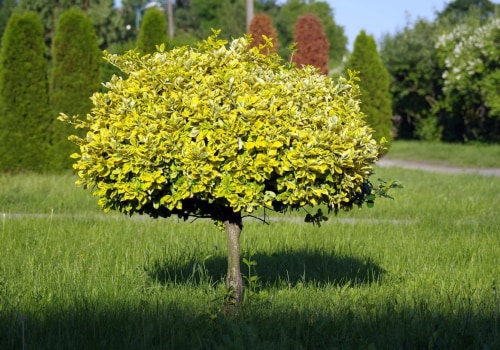
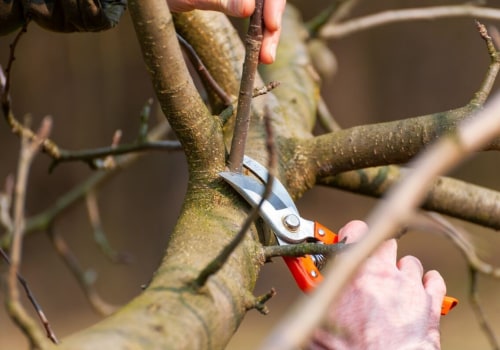
Tree management is a vital practice that encompasses the planning, care, and maintenance of trees in various environments. It involves a range of activities, from planting and pruning to monitoring tree health and ensuring biodiversity. By implementing effective tree management strategies, communities can significantly contribute to environmental conservation, enhancing the ecological balance and promoting sustainability. Understanding what tree management entails is crucial for recognizing its importance. It is not merely about maintaining the aesthetic appeal of urban landscapes; it plays a critical role in mitigating climate change, improving air quality, and providing habitats for wildlife.
Healthy trees act as natural air filters, absorbing carbon dioxide and releasing oxygen, which is essential for life on Earth. Furthermore, well-managed trees can help prevent soil erosion and manage stormwater runoff, reducing the risk of flooding in urban areas. The significance of tree management extends beyond individual trees; it fosters community engagement and awareness about environmental issues. By involving local residents in tree care initiatives, communities can cultivate a sense of stewardship towards their natural surroundings. This collective effort not only enhances the local ecosystem but also educates individuals about the interconnectedness of nature and human activity.
As we delve deeper into the various aspects of tree management, it becomes clear that this practice is not just beneficial but essential for a sustainable future.
The Benefits of Tree Management for Ecosystems
Effective tree management plays a crucial role in maintaining the health of ecosystems. By implementing sustainable practices, we can enhance biodiversity and ensure the preservation of various habitats.One of the primary benefits of tree management is its ability to support a diverse range of species. Healthy forests provide essential resources such as food, shelter, and breeding grounds for wildlife. When trees are properly managed, they can thrive, leading to increased plant and animal diversity.This diversity is vital for ecosystem resilience, allowing it to adapt to changes and disturbances.Moreover, tree management contributes to habitat preservation by preventing overgrowth and promoting the growth of native species. Invasive species can disrupt local ecosystems, outcompeting native flora and fauna. Through careful monitoring and management practices, we can mitigate these threats and maintain the integrity of natural habitats.
- Improved Air Quality: Trees act as natural air filters, absorbing pollutants and releasing oxygen, which is essential for all living organisms.
- Soil Conservation: Properly managed trees help prevent soil erosion by stabilizing the ground with their root systems, thus maintaining soil health.
- Water Regulation: Trees play a significant role in the water cycle by facilitating groundwater recharge and reducing runoff, which helps maintain local water quality.
Tree Management Techniques and Their Environmental Impact
Effective tree management encompasses a variety of techniques that play a crucial role in promoting environmental conservation.By implementing these practices, we can enhance biodiversity, improve air quality, and combat climate change.
Sustainable Forestry Practices
Sustainable forestry is a cornerstone of responsible tree management. This approach focuses on maintaining the health of forest ecosystems while meeting the needs of present and future generations. Key practices include:- Selective logging: This method involves removing only certain trees, allowing the forest to maintain its structure and biodiversity.
- Reduced impact logging: Techniques are employed to minimize damage to surrounding trees and soil during harvesting.
- Forest certification: Programs like the Forest Stewardship Council (FSC) ensure that timber products come from responsibly managed forests.
Urban Forestry Initiatives
Urban forestry is another vital aspect of tree management, particularly in densely populated areas. By integrating trees into urban planning, cities can:- Enhance air quality by filtering pollutants.
- Reduce urban heat islands through shade and evapotranspiration.
- Improve stormwater management by increasing infiltration and reducing runoff.
Reforestation Efforts
Reforestation is essential for restoring ecosystems that have been degraded or deforested.This technique involves:
- Planting native tree species to restore local biodiversity.
- Implementing community-based programs that engage local populations in planting and maintaining trees.
- Utilizing technology, such as drones, to efficiently plant trees in hard-to-reach areas.
Tree Management and Climate Change Mitigation
Effective tree management is a vital strategy in the fight against climate change, primarily through its role in carbon sequestration. Trees absorb carbon dioxide (CO2) from the atmosphere during photosynthesis, storing carbon in their biomass and releasing oxygen. This natural process helps to mitigate the effects of greenhouse gases, which are a significant contributor to global warming.By implementing sustainable tree management practices, we can enhance the capacity of forests to sequester carbon.Here are some key strategies:
- Selective Logging: This practice involves removing specific trees while preserving the overall forest structure, allowing remaining trees to grow larger and absorb more CO2.
- Reforestation: Planting new trees in deforested areas not only restores ecosystems but also increases the total number of trees available for carbon absorption.
- Avoiding Deforestation: Protecting existing forests from logging and land conversion is crucial, as mature trees store significant amounts of carbon.
- Forest Management: Thinning overcrowded forests can improve tree health and growth rates, leading to increased carbon storage.
Community Involvement in Tree Management Practices
Community involvement in tree management is crucial for fostering a sense of ownership and responsibility towards local green spaces.When residents actively participate in tree management practices, they not only contribute to the health of their environment but also strengthen community bonds.
Public Participation in Tree Management
- Education and Awareness: Engaging the community through workshops and informational sessions can raise awareness about the importance of trees in urban ecosystems. Knowledgeable citizens are more likely to advocate for sustainable practices.
- Volunteer Programs: Local initiatives that encourage volunteerism, such as tree planting days or maintenance events, allow residents to take direct action. These programs can significantly enhance the number of healthy trees in an area.
- Citizen Science: Involving community members in data collection and monitoring can provide valuable insights into local tree health and biodiversity. This participatory approach empowers individuals and fosters a deeper connection to their environment.
Local Initiatives Enhancing Environmental Conservation
- Community Gardens: Establishing community gardens that incorporate trees can serve dual purposes: providing food and enhancing local biodiversity.
These gardens often become hubs for education and community engagement.
- Tree Adoption Programs: Initiatives that allow residents to adopt trees can instill a sense of pride and responsibility. Participants often take it upon themselves to care for their adopted trees, ensuring their growth and longevity.
- Partnerships with Local Organizations: Collaborating with environmental organizations can amplify efforts in tree management. These partnerships can provide resources, expertise, and funding for community-led projects.
Challenges in Tree Management and Conservation Efforts
Tree management plays a crucial role in environmental conservation, yet it faces significant challenges, particularly due to deforestation and the impacts of urbanization.These factors not only threaten the health of forests but also hinder effective conservation efforts.
Deforestation
, driven by agricultural expansion, logging, and infrastructure development, leads to the loss of biodiversity and disrupts ecosystems. As trees are removed, the habitats of countless species are destroyed, resulting in a decline in wildlife populations. This loss of biodiversity can have cascading effects on ecosystem services, such as pollination and water purification, which are vital for maintaining ecological balance.Moreover, urbanization presents unique challenges for tree management. As cities expand, green spaces are often sacrificed for development.This not only reduces the number of trees but also increases the heat island effect, leading to higher temperatures in urban areas. The lack of trees in cities can exacerbate air pollution and reduce overall quality of life for residents.To address these challenges, effective tree management strategies must be implemented. These strategies include:
- Reforestation: Planting new trees in deforested areas to restore ecosystems.
- Sustainable forestry practices: Ensuring that logging is done responsibly to minimize environmental impact.
- Urban forestry initiatives: Integrating trees into urban planning to enhance green spaces and improve air quality.
- Community engagement: Involving local communities in tree management efforts to foster stewardship and awareness.
Future Trends in Tree Management for Environmental Conservation
As we look to the future, tree management is poised to evolve significantly, driven by innovative practices and advancements in technology.These emerging trends are not only enhancing the efficiency of forestry operations but also playing a crucial role in environmental conservation.
Innovative Practices in Tree Management
One of the most promising trends is the adoption of sustainable forestry practices. This includes techniques such as selective logging, which minimizes ecological disruption, and agroforestry, where trees are integrated into agricultural landscapes. These methods not only preserve biodiversity but also improve soil health and carbon sequestration.Technology's Role in Forestry
The integration of technology into tree management is transforming how we approach conservation. For instance, remote sensing technologies, such as drones and satellite imagery, allow for precise monitoring of forest health and growth patterns.This data-driven approach enables foresters to make informed decisions about tree planting and harvesting, ensuring that conservation efforts are both effective and efficient.
Community Engagement and Education
Another trend gaining traction is the emphasis on community involvement in tree management initiatives. By educating local populations about the importance of trees and involving them in conservation efforts, we can foster a sense of stewardship that enhances long-term sustainability. Programs that encourage tree planting and maintenance not only improve local ecosystems but also strengthen community ties.In conclusion, the future of tree management lies in embracing innovative practices and leveraging technology to enhance environmental conservation. As these trends continue to develop, they hold the potential to create healthier forests and a more sustainable planet for generations to come.Frequently Asked Questions about Tree Management and Conservation
Tree management plays a crucial role in environmental conservation, and many people have questions about its impact and practices.Here are some frequently asked questions:
- What is tree management?
Tree management refers to the practices involved in maintaining and caring for trees to ensure their health, longevity, and ecological benefits. This includes pruning, planting, and monitoring tree health. - How does tree management contribute to conservation?
Effective tree management helps preserve biodiversity, improve air quality, and combat climate change by enhancing carbon sequestration. Healthy trees provide habitats for wildlife and contribute to the overall health of ecosystems. - What are some common tree care tips?
To manage trees effectively, consider the following tips:- Regular Pruning: Remove dead or diseased branches to promote healthy growth.
- Proper Watering: Ensure trees receive adequate water, especially during dry spells.
- Pest Management: Monitor for pests and diseases, using organic methods when possible.
- Can tree management help reduce urban heat?
Yes! Strategically placed trees can provide shade, reducing the urban heat island effect and lowering energy costs for cooling. - What role do community programs play in tree management?
Community programs often engage local residents in tree planting and maintenance efforts, fostering a sense of stewardship and enhancing local green spaces.