In the bustling environment of urban areas, where concrete and steel dominate the landscape, tree management emerges as a vital practice that not only enhances aesthetic appeal but also plays a crucial role in improving environmental health. Urban forestry, the management of trees in urban settings, is essential for creating sustainable cities that can effectively combat the challenges posed by noise and air pollution. By strategically planting and maintaining trees, cities can harness their natural benefits to foster healthier living conditions. The significance of tree management extends beyond mere beautification; it encompasses a range of ecological and social benefits. Trees act as natural air filters, absorbing pollutants and releasing oxygen, which is particularly important in densely populated areas where air quality often suffers.
Moreover, they provide shade and cooling effects that can mitigate the urban heat island effect, further contributing to improved air quality. In addition to these environmental advantages, well-managed urban forests can significantly reduce noise pollution by acting as sound barriers, absorbing and deflecting sound waves. As we delve deeper into the relationship between tree management and urban health, it becomes clear that effective strategies in urban forestry are not just beneficial but necessary. Understanding how trees contribute to reducing noise and air pollution will highlight the importance of integrating green spaces into city planning. This exploration will reveal how thoughtful tree management can transform urban landscapes into healthier, more livable environments for all residents.
The Impact of Urban Noise Pollution
Urban noise pollution is a pervasive issue in cities around the world, characterized by excessive or harmful levels of sound that disrupt the natural acoustic environment.This type of pollution primarily arises from various sources, including traffic, construction activities, public transportation, and industrial operations. As urban areas continue to expand, the intensity and frequency of these noise sources have increased, leading to significant challenges for residents.The effects of noise pollution on human health and well-being are profound. Research has shown that prolonged exposure to high noise levels can lead to a range of health issues, including:
- Hearing loss: Continuous exposure to loud sounds can damage the auditory system.
- Sleep disturbances: Noise can interfere with sleep patterns, leading to insomnia and fatigue.
- Increased stress levels: Chronic noise exposure is linked to heightened stress responses, which can affect mental health.
- Cardiovascular problems: Studies suggest a correlation between noise pollution and increased risks of hypertension and heart disease.
The constant barrage of sound can also hinder communication and social interactions among residents.Understanding the sources and effects of urban noise pollution is essential for developing effective strategies to mitigate its impact. This context sets the stage for exploring how tree management can play a crucial role in reducing noise levels in urban environments, ultimately contributing to healthier and more livable cities.
How Trees Mitigate Noise Pollution
Urban areas are often characterized by high levels of noise pollution, which can have detrimental effects on residents' health and well-being. One effective strategy for mitigating this issue is through tree management. Trees serve as natural sound barriers, absorbing and deflecting sound waves, thereby reducing the overall noise levels in their vicinity.Mechanisms of Sound Absorption
- Leaf Structure: The complex structure of leaves, with their varied shapes and sizes, helps to scatter sound waves.
This scattering effect diminishes the intensity of noise that reaches urban dwellers.
- Bark Texture: The rough texture of tree bark can also contribute to sound absorption. It disrupts sound waves, further reducing their impact.
- Tree Density: A denser arrangement of trees can create a more effective barrier against noise. Strategically planting trees in urban settings can enhance their ability to block unwanted sounds.
Studies indicate that areas with abundant urban greenery not only experience lower noise levels but also foster a greater sense of community and well-being among residents.
Implementing Tree Management Strategies
- Strategic Planting: Urban planners should consider the placement of trees along busy roads and in public spaces to maximize their noise-reducing benefits.
- Maintenance: Regular maintenance ensures that trees remain healthy and effective as sound barriers. This includes pruning and replacing any dead or diseased trees.
- Community Involvement: Engaging local communities in tree planting initiatives can enhance awareness about the importance of trees in reducing noise pollution.
The Role of Trees in Air Quality Improvement
Urban areas are often plagued by air pollution, which can have detrimental effects on public health and the environment. One of the most effective natural solutions to combat this issue is through tree management.Trees play a crucial role in improving air quality by acting as natural filters for harmful pollutants.
Trees improve air quality
in several ways:- Absorption of Pollutants: Trees absorb various air pollutants, including carbon dioxide (CO2), sulfur dioxide (SO2), nitrogen oxides (NOx), and particulate matter (PM). By taking in these harmful substances, trees help to reduce their concentration in the atmosphere.
- Oxygen Production: Through the process of photosynthesis, trees convert CO2 into oxygen, significantly contributing to the oxygen supply in urban environments. This not only benefits humans but also supports local wildlife.
- Dust and Particulate Matter Capture: The leaves and bark of trees can trap dust, pollen, and other particulate matter, preventing these pollutants from becoming airborne and inhaled by city dwellers.
They enhance the overall aesthetic of neighborhoods, increase property values, and promote mental well-being among residents. As cities continue to grow, effective tree management becomes essential not only for beautification but also for creating healthier living environments.
Best Practices in Tree Management for Urban Areas
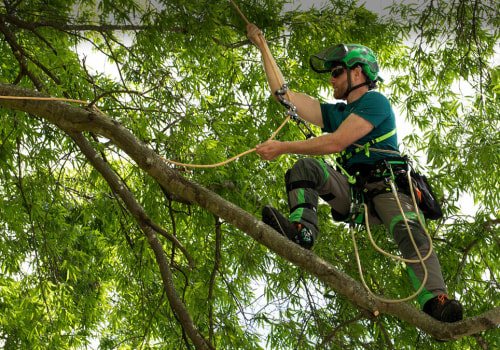
Effective tree management in urban areas is essential for maximizing the benefits that trees provide, particularly in reducing noise and air pollution. Implementing best practices can significantly enhance the health and effectiveness of urban forests.- Regular Maintenance: Routine care, including pruning, watering, and pest management, ensures that trees remain healthy and robust. Healthy trees are more effective at filtering air pollutants and absorbing sound.
- Diverse Planting: Incorporating a variety of tree species can enhance resilience against pests and diseases while improving biodiversity.
A diverse urban forest can better adapt to environmental changes and provide a wider range of ecological benefits.
- Strategic Placement: Positioning trees strategically around noise sources, such as busy roads or industrial areas, can create natural sound barriers. Trees with dense foliage are particularly effective at absorbing sound waves.
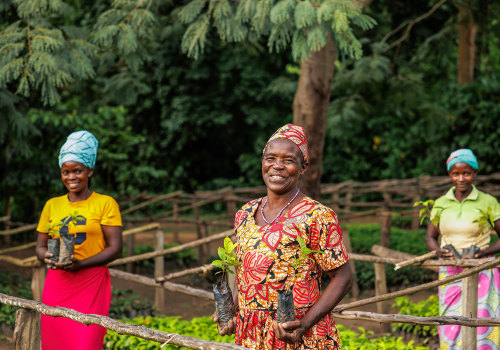
- Community Involvement: Engaging local communities in tree planting and care fosters a sense of ownership and responsibility. Community-led initiatives can lead to more sustainable practices and increased awareness of the importance of trees in combating pollution.
- Utilizing Technology: Employing technology such as GIS mapping can help cities identify areas that would benefit most from tree planting. This data-driven approach ensures that resources are allocated efficiently to maximize impact.
These strategies should include long-term planning for tree canopy coverage, which is crucial for enhancing air quality and reducing urban heat islands. By prioritizing sustainable tree care, municipalities can create healthier environments that not only improve air quality but also enhance the overall quality of life for residents.
Case Studies: Successful Tree Management Initiatives
Urban areas around the world have begun to recognize the significant benefits of tree management in addressing both noise and air pollution. Several cities have implemented successful initiatives that serve as exemplary case studies.New York City, USA
New York City’s MillionTreesNYC initiative aimed to plant and care for one million trees across the five boroughs. This project not only enhanced the city’s green canopy but also contributed to a measurable reduction in air pollutants.According to studies, the trees planted under this initiative are estimated to remove over 1,000 tons of pollutants annually, significantly improving air quality.
Toronto, Canada
Toronto has implemented a comprehensive urban forestry program that focuses on tree management as a means to combat urban noise. The city’s strategic planting of trees along busy streets has created natural sound barriers, effectively reducing noise pollution levels by up to 50% in certain areas. This initiative has also been linked to improved mental health outcomes for residents.Melbourne, Australia
The Melbourne Urban Forest Strategy emphasizes the importance of tree management in enhancing urban livability. By increasing tree cover in densely populated neighborhoods, the city has seen a notable decrease in both air and noise pollution.The strategy includes regular maintenance and community engagement, ensuring that residents are involved in the care of their local trees.
Seattle, USA
Seattle’s Green Seattle Partnership is another successful example where tree management has played a crucial role in environmental health. The partnership focuses on restoring urban forests and managing existing trees to improve air quality. Studies indicate that the program has led to a 20% reduction in particulate matter in areas with enhanced tree cover.These case studies illustrate that effective tree management not only beautifies urban landscapes but also provides tangible benefits in reducing noise and air pollution. As cities continue to grow, investing in tree management strategies will be essential for creating healthier urban environments.Challenges in Urban Tree Management
Urban tree management faces a myriad of challenges that can hinder the effectiveness of tree care and maintenance.Understanding these obstacles is crucial for developing strategies that enhance urban forestry initiatives.
Space Limitations
One of the primary challenges in urban tree management is the limited space available for planting and maintaining trees. Urban environments are often densely populated, with buildings, roads, and other infrastructure taking precedence over green spaces. This lack of space can lead to:
- Compromised growth: Trees may not have enough room for their root systems to expand, which can affect their health and longevity.
- Increased competition: Limited space often means trees compete with other plants and urban structures for resources like sunlight and water.
Funding Issues
Another significant barrier to effective tree management is the lack of funding. Many urban areas struggle to allocate sufficient financial resources for tree care, which can result in:
- Inadequate maintenance: Without proper funding, routine care such as pruning, watering, and pest control may be neglected.
- Limited planting initiatives: Financial constraints can restrict the number of new trees planted, reducing the overall canopy cover.
Maintenance Concerns
The ongoing maintenance of urban trees presents its own set of challenges.
Factors such as:
- Pest infestations: Urban trees are often more susceptible to pests due to environmental stressors.
- Soil quality: Urban soils may be compacted or contaminated, affecting tree health.
Future Trends in Tree Management and Urban Sustainability
As urban areas continue to grow, the future of tree management is becoming increasingly vital in promoting sustainability and enhancing the quality of life for city dwellers. Innovative approaches to tree care are emerging, focusing on maximizing the environmental benefits that trees provide, particularly in reducing noise and air pollution.One significant trend is the integration of smart technology in tree management practices. Sensors and data analytics can monitor tree health, soil conditions, and environmental factors in real-time.This data-driven approach allows urban planners and arborists to make informed decisions about tree placement and care, ensuring that trees are strategically located to optimize their impact on air quality and noise reduction.Additionally, urban forestry programs are increasingly adopting community engagement strategies. By involving local residents in tree planting and maintenance initiatives, cities can foster a sense of ownership and responsibility towards green spaces. This grassroots involvement not only enhances community ties but also ensures that tree management efforts align with the specific needs of the neighborhood, ultimately leading to more effective pollution mitigation.Another promising development is the use of native species in urban landscaping. Native trees are better adapted to local climates and ecosystems, requiring less maintenance and water while providing essential habitats for wildlife.
Their natural resilience makes them more effective at filtering pollutants from the air and absorbing sound, contributing significantly to urban sustainability goals.Furthermore, advancements in biotechnology are paving the way for genetically improved tree varieties that can thrive in urban environments. These trees may possess enhanced capabilities for carbon sequestration and pollutant absorption, making them invaluable assets in the fight against urban air pollution.In conclusion, the future of tree management is poised to play a crucial role in urban sustainability. By embracing technology, community involvement, native species selection, and biotechnological innovations, cities can enhance their green infrastructure to effectively combat noise and air pollution while improving overall urban livability.
FAQs about Tree Management and Pollution Reduction
Tree management plays a crucial role in mitigating both noise and air pollution in urban environments. Here are some frequently asked questions that can help clarify its benefits:- What is tree management? Tree management involves the planning, planting, maintenance, and care of trees in urban areas to ensure their health and longevity.
This includes pruning, watering, and disease control.
- How do trees reduce air pollution? Trees absorb carbon dioxide and other harmful pollutants while releasing oxygen through photosynthesis. Their leaves trap dust, pollen, and smoke, significantly improving air quality.
- Can tree management help with noise reduction? Yes! Strategically placed trees can act as natural sound barriers. Their foliage absorbs sound waves, reducing noise pollution from traffic and construction.
- What types of trees are best for pollution reduction? Native species are often the best choice as they are adapted to local conditions. Trees like oaks, maples, and pines are known for their ability to filter pollutants effectively.
- How often should trees be maintained? Regular maintenance is essential.
This includes annual inspections for health and safety, as well as seasonal pruning to promote growth and remove dead branches.
- Are there any economic benefits to tree management? Absolutely! Well-managed trees can increase property values, reduce energy costs by providing shade, and lower healthcare costs by improving air quality.